

Is Wood Grain Laminate Good?
Wood grain laminate is a practical choice when you want the warm visual character of wood with more consistent supply, easier maintenance, and better process control in large-scale manufacturing. Whether it is good depends on your expectations and the application environment. For interior decorative panels, furniture surfaces, doors, cabinets, and commercial fit-outs, a high-quality wood grain laminate can deliver stable appearance, repeatable finishing, and predictable performance at scale. For projects that demand the depth, repairability, and natural aging of solid wood, laminate may feel less authentic. The right decision is made by matching surface performance needs and production constraints to the laminate structure you select.
BIYT supplies decorative pet films engineered for interior surface finishing, including woodgrain PET film solutions designed for consistent appearance and converting stability.
What Wood Grain Laminate Is In Modern Decorative Manufacturing
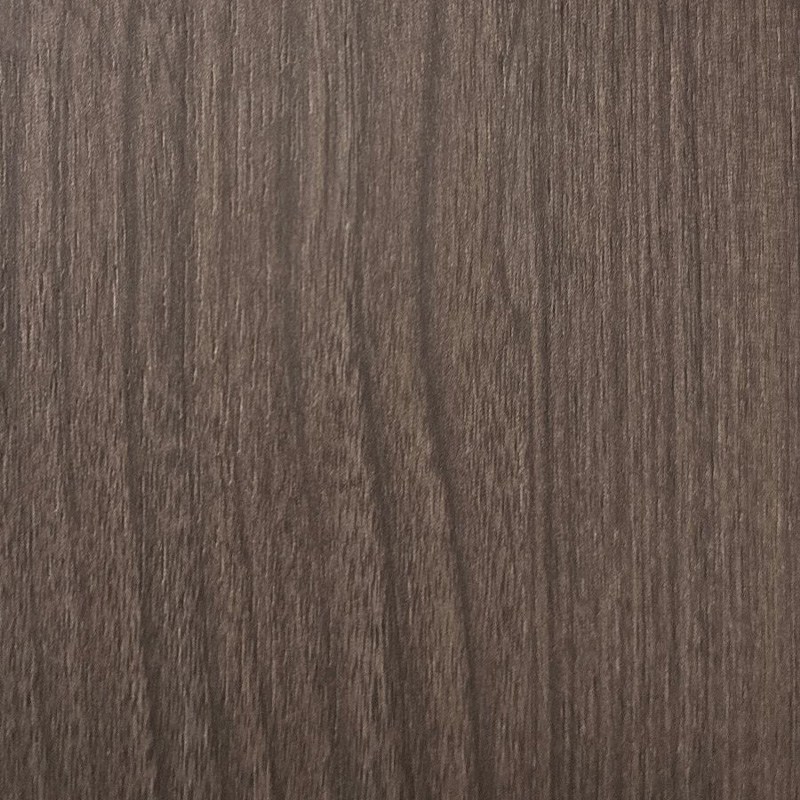
Wood grain laminate is a decorative surface layer applied to a substrate such as MDF, plywood, particleboard, metal panels, or composite boards. Its role is to provide a wood-like appearance and tactile finish while the substrate provides structural strength. In manufacturing, laminate systems are valued because they can standardize color, grain direction, and surface quality across different batches and production sites.
In many supply chains, the biggest advantage is predictability. Solid wood can vary in grain, tone, and defects. Laminate can be specified and reproduced, which helps project buyers achieve consistent interior appearance across multiple rooms, units, or retail locations.
Appearance Consistency And Design Control
The most immediate benefit is controlled aesthetics. A good wood grain laminate can maintain consistent pattern clarity, tone, and gloss level across roll production. This makes it easier to plan design language for kitchens, wardrobes, wall panels, and commercial interiors.
It also enables design flexibility. Wood tones can be offered in light, medium, and deep shades, and grain patterns can range from minimal to highly expressive. This is important for project standardization because designers can select a look that fits the space without worrying about natural variation between lots.
When buyers require special tone matching for a brand environment or a specific interior palette, a custom woodgrain surface specification can be a practical way to keep appearance stable across long production cycles.
Durability In Daily Use
A common concern is whether wood grain laminate holds up to real use. The answer depends on the laminate structure and protective layer design. In many interior applications, laminate surfaces can perform well against everyday abrasion, staining, and routine cleaning, especially when the surface is designed to resist common indoor wear patterns.
The more relevant question is how the laminate will be used. A wardrobe door face and a restaurant table top do not experience the same load. A durable laminate selection is based on expected contact frequency, cleaning chemicals used, and whether the surface is exposed to heat, moisture, or impact.
For buyers who manage hospitality or commercial spaces, durability often means fewer replacement cycles, fewer complaints about surface marks, and better long-term appearance retention.
Moisture And Dimensional Behavior Compared With Natural Wood
Natural wood expands and contracts with humidity changes. Laminate surfaces on stable substrates can reduce visible movement and help maintain a cleaner visual line at seams and edges. This makes laminate attractive for interior environments that experience seasonal humidity variation.
However, performance still depends on the total build. If the substrate is poorly sealed at edges or joints, moisture can still enter and cause swelling. The best outcomes come from proper edge banding, controlled lamination processes, and correct adhesive selection for the substrate and film.
Maintenance And Cleaning Practicality
Another reason wood grain laminate is widely used is maintenance simplicity. Many laminate surfaces can be cleaned with standard indoor cleaning methods without specialized wood care products. This is especially valuable in rental housing, student accommodation, and commercial interiors where maintenance routines must be efficient and predictable.
A practical wood grain laminate surface should maintain appearance without frequent refinishing. That is a major difference from some natural wood surfaces that require periodic oiling or protective coating renewal.
Cost Stability And Scalable Supply For Projects
For project buyers, good often means dependable. Wood pricing can fluctuate, and natural wood matching can become difficult when a project expands. Laminate programs offer more stable sourcing for repeat orders and multi-phase builds. This stability becomes a strategic advantage when you need consistent finishes across hundreds or thousands of units.
In high-volume manufacturing, laminate also reduces labor variability. Surfaces arrive ready to convert, which can simplify finishing lines and reduce rejection caused by natural wood defects.
Where Wood Grain Laminate Performs Best
Wood grain laminate is typically most successful in interior applications where appearance consistency, speed, and maintenance are key. These include cabinet doors, furniture panels, wall cladding, decorative doors, and interior partitions. In these settings, the laminate surface provides a controlled wood look while the substrate provides structure and stability.
When the environment includes direct outdoor exposure, harsh UV, or heavy standing water, the laminate system must be specified carefully. The correct film, adhesive, substrate sealing, and edge treatment determine whether the surface stays stable long term.
Quick Comparison: Wood Grain Laminate Versus Natural Wood
| Decision Factor | Wood Grain Laminate | Natural Wood |
|---|---|---|
| Appearance consistency | High, repeatable | Variable by board and batch |
| Maintenance | Simple, low effort | May require refinishing or oiling |
| Humidity movement | Often more stable when built correctly | Can expand and contract noticeably |
| Repairability | Usually replace panel or re-laminate | Can be sanded and refinished |
| Project standardization | Strong advantage | Harder to match across phases |
This comparison helps buyers decide based on operational priorities rather than surface preference alone.
Why BIYT Woodgrain PET Film Is Designed For Interior Surface Programs
BIYT focuses on decorative pet film solutions for interior applications where consistent color, stable converting behavior, and reliable supply matter. Our woodgrain pet film program is developed for manufacturers who need predictable lamination, clean surface appearance, and repeatable quality control in multi-batch production.
You can review our woodgrain solutions here: woodgrain PET film. If your project requires a durable decorative surface with stable tone control, we can recommend suitable structures based on your substrate type, lamination process, and target finish.
Conclusion
Wood grain laminate is good when the goal is a consistent wood look with practical maintenance, scalable supply, and predictable production. It performs especially well in interior decorative applications where uniform appearance and efficient conversion matter. The best results come from choosing a laminate structure that matches the substrate, adhesive system, and usage conditions, then validating performance with production-relevant sampling.
If you are selecting wood grain surfaces for furniture, panels, doors, or a multi-unit interior project, contact BIYT with your substrate type, target color tone, lamination process, and performance expectations. We can provide guidance, recommend suitable woodgrain PET film options, and support your evaluation so you can move from sample approval to stable bulk supply with confidence.