


How To Pick The Ideal Wood Grain Laminate For Your Space?
Choosing the ideal wood grain laminate is less about chasing a trendy pattern and more about matching surface behavior to how a space will actually be used. A wood look finish can appear similar in a catalog, yet perform very differently once it is laminated onto boards, cut into panels, installed near heat sources, or cleaned daily. The right selection balances visual tone, texture, and gloss with practical factors such as substrate type, edge treatment, installation environment, and long-term maintenance expectations.
Wood grain laminate is widely used in doors, cabinetry, wall panels, furniture, and interior fit-outs because it offers a consistent wood aesthetic with predictable supply and easier upkeep. BIYT provides decorative film solutions for these applications, including woodgrain PET film designed for stable converting and repeatable appearance.
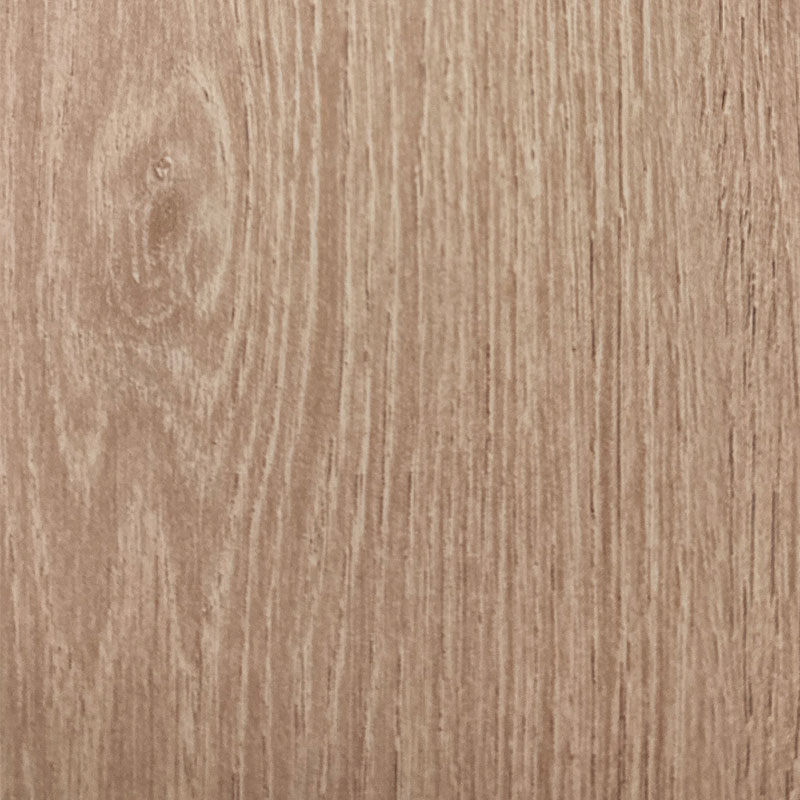
Clarify The Surface Goal Before Comparing Patterns
Many projects start by looking at color and grain, but the ideal choice is easier when the surface goal is defined first. Some spaces want a calm, minimal wood look that keeps walls and cabinetry visually quiet. Others need a bold grain that becomes a focal point. The same space can also require different wood tones across zones, such as a lighter wall panel finish and a deeper cabinet finish, as long as undertones remain consistent.
A practical way to define the goal is to decide what the laminate should do visually. If the space is small or receives limited natural light, a lighter tone with lower contrast grain can keep the room from feeling crowded. If the space is large or commercial, deeper tones and stronger grain contrast can add structure and perceived quality. Once this intent is clear, it becomes easier to compare samples without second guessing.
Match Wood Tone To Lighting And Surrounding Materials
Wood tone behaves differently under different lighting temperatures. Warm lighting can make yellow or red undertones appear stronger, while cool lighting can make gray undertones dominate. This is why a laminate that looks balanced in a showroom may feel off once installed.
To avoid tone mismatch, compare samples in the real environment. Place the sample near the floor, next to the wall color, and beside any stone or metal finishes used in the same zone. Look at it in daytime and at night. The ideal laminate is the one that stays stable across these conditions rather than shifting dramatically.
For projects that require high consistency across multiple rooms, tone stability becomes a procurement advantage because it reduces rejection caused by appearance disputes during final inspection.
Choose A Grain Scale That Fits The Space
Grain scale refers to how large the pattern appears across a panel. In compact spaces, large bold grain can look busy and visually shorten walls. In open spaces, small repetitive grain can look artificial and flat. The ideal grain scale is proportional to the panel size and viewing distance.
For cabinetry and furniture, medium grain scale often works best because it stays readable at close distance without dominating the room. For wall panels or large door surfaces, a larger grain scale can look more natural, especially when the laminate is applied in long continuous runs with consistent grain direction.
Decide On Texture And Gloss Based On Touch And Cleaning
Texture and gloss determine both appearance and maintenance. A higher gloss surface reflects more light, which can make a space feel brighter, but it also highlights fingerprints, swirl marks, and installation alignment issues. Matte and low-sheen surfaces hide imperfections better and feel more contemporary, but they need a well-designed surface layer to maintain a clean look under repeated wiping.
If the space includes high-touch surfaces such as cabinet fronts, closet doors, or hotel furniture, prioritize a durable surface design that can handle frequent contact and routine cleaning. Texture also affects perceived realism. A subtle wood pore texture can make laminate feel more natural, while a perfectly smooth surface may feel more synthetic even if the pattern is attractive.
A practical approach is to choose the gloss level based on where the surface will be used, not only on what looks good in a sample book.
Confirm Substrate Compatibility And Lamination Method
The same wood grain laminate can behave differently depending on the substrate. MDF, plywood, particleboard, and composite panels vary in density, flatness, and edge strength. Adhesive choice and lamination method must match the substrate and film to prevent edge lift, bubbling, or telegraphing of substrate imperfections.
Before final selection, confirm the lamination process used in your production line or project workflow. Flat lamination, profile wrapping, and membrane pressing have different demands. A film designed for stable converting will hold appearance and alignment better during processing and will reduce waste caused by wrinkling or uneven tension.
If your application includes complex profiles or tight radii, the ideal laminate is the one that forms cleanly without whitening, cracking, or pattern distortion in corners and edges.
Evaluate Edge Treatment And Detail Areas
In real installations, most visible failures happen at edges. If edges are poorly sealed, moisture ingress and impact damage become more likely. If the edge banding does not match the face laminate, the finished product can look low quality even if the surface is attractive.
When choosing wood grain laminate, plan the full build:
Face laminate selection
Edge banding or wrap strategy
Corner behavior and trimming tolerance
Adhesive compatibility in edge zones
For furniture and cabinetry, the best result is achieved when face and edge solutions are designed as a set, not purchased separately without color and texture alignment.
Consider Environment And Long-Term Use Conditions
Interior laminates face different stresses depending on location. Kitchens experience heat and frequent cleaning. Bedrooms are lower stress but demand consistent appearance. Commercial spaces often experience higher wear and faster turnover.
The ideal wood grain laminate for a low-traffic residential wall panel may not be ideal for a hospitality wardrobe door that is opened daily. When you evaluate samples, consider the real use cycle. If the surface will be wiped frequently, confirm it maintains appearance without turning glossy in touch zones or showing uneven sheen.
This is where the durable performance of the surface layer matters, not just the printed pattern.
A Practical Comparison Table For Selecting Wood Grain Laminate
| Selection Factor | What To Look For | Why It Matters In Finished Spaces |
|---|---|---|
| Tone and undertone | Stable color under warm and cool light | Prevents mismatch across rooms and time |
| Grain scale | Proportional to panel size and viewing distance | Keeps the space balanced and natural |
| Texture and gloss | Suitable for touch frequency and cleaning routine | Controls fingerprint visibility and wear |
| Process compatibility | Stable behavior in your lamination method | Reduces defects and improves yield |
| Edge strategy | Matching edge solution and clean trimming | Avoids visible weakness and early failure |
This framework helps buyers choose with fewer reversals because it connects the visual choice to real performance and installation risk.
When A Custom Wood Grain Laminate Is Worth It
A custom program makes sense when the project needs brand-level appearance consistency, specific color matching, or a precise surface feel that standard collections cannot meet. It is also valuable when you must standardize across multiple suppliers and locations, because the laminate becomes part of a controlled specification rather than a variable decorative item.
BIYT supports customers who need consistent decorative film supply and conversion reliability. Our woodgrain PET film solutions are developed to help manufacturers maintain repeatable appearance and stable processing across production batches.
Conclusion
Picking the ideal wood grain laminate comes down to aligning visual intent with real-world performance. The best choice is not only the most attractive pattern, but the one that stays stable under your lighting, fits your panel scale, matches your gloss and texture expectations, and performs reliably in your lamination process and daily maintenance routine. When these factors are evaluated together, wood grain laminate becomes a practical, high-value surface solution for interior spaces.
If you are selecting wood grain surfaces for doors, cabinetry, panels, or a multi-room program, contact BIYT with your substrate type, lamination method, target tone, and gloss requirement. Our team can recommend suitable options, support sampling, and provide guidance so you can move from selection to stable bulk supply with confidence.
Previous: What Is The Wood Grain Laminate Paper?