

How To Clean The Durable Woodgrain Decorative Film Rolls?
Durable Woodgrain Decorative Film Rolls are surface decoration materials used to give panels, furniture, and interior boards a natural wood-look finish while keeping the surface easier to maintain in daily use. In real projects, these films are often chosen not only for their woodgrain appearance, but also for the practical benefit of easier cleaning compared with many traditional decorative finishes. Once they are laminated onto furniture panels, cabinets, doors, wall surfaces, or ceiling boards, daily care becomes an important part of keeping the finish looking clean and consistent over time.
Many buyers focus first on color, texture, or grain effect, but cleaning is just as important in long-term use. A woodgrain decorative film may look attractive when newly applied, yet its lasting value depends on how well it handles everyday dust, fingerprints, light stains, and regular wiping. The good news is that this kind of interior decor film is generally not difficult to maintain. With the right cleaning method, the surface can keep its appearance for a long time without requiring complicated care.
Understand What Needs To Be Cleaned
Before cleaning the surface, it helps to understand what this material is actually used for. durable woodgrain decorative film rolls are usually laminated onto flat or shaped boards such as MDF, particle board, PVC extrusion molding board, carbon fiber board, or aluminum sheet. Once applied, they become part of visible interior surfaces like cabinets, wardrobes, decorative panels, doors, furniture fronts, wall coverings, and ceiling elements.
Because these are indoor decorative surfaces, most of the dirt they collect is ordinary daily dirt rather than heavy industrial residue. In homes, this may include dust, fingerprints, food splashes, water marks, or light grease in certain furniture areas. In commercial interiors, it may also include more frequent hand contact and general surface wear. Cleaning should therefore be gentle, regular, and suitable for decorative surfaces rather than overly aggressive.
Start With Dry Dust Removal
The simplest and most useful first step is dry dust removal. In many interiors, the film surface does not need heavy washing every day. It only needs regular dust control. A soft dry cloth or microfiber cloth is usually enough to remove loose dust from the woodgrain decorative surface.
This step matters because wiping a dusty surface directly with water may drag fine particles across the finish. Even a durable decorative film should be treated with reasonable care, especially if the goal is to keep the wood texture looking fresh and clean. A dry wipe is often the easiest way to prevent dust buildup and reduce the need for deeper cleaning later.
Use Mild Cleaner For Daily Marks
When the surface has fingerprints, light stains, or small spots of dirt, a soft cloth with mild detergent is usually the better choice. The cloth should be damp rather than heavily wet. The goal is to clean the surface gently without leaving too much moisture behind.
Mild detergent works well because it removes common interior dirt without being too harsh for decorative film surfaces. In daily use, there is usually no need for strong chemical cleaners. A light wiping motion is often enough to lift surface marks while keeping the woodgrain effect clear. After cleaning, the area can be wiped again with a clean soft cloth to remove any remaining moisture.
Avoid Harsh Tools And Abrasive Products
One of the most important cleaning habits is knowing what not to use. Decorative film surfaces should not be cleaned with abrasive pads, hard brushes, steel wool, or strong polishing tools. These can damage the top layer and affect the appearance of the grain.
The same idea applies to harsh chemical cleaners. Products that are too strong, too acidic, or too rough for interior decorative surfaces may reduce the finish quality over time. Even if the film is designed to be durable, good maintenance still depends on using the right cleaning method. In practical terms, gentle cleaning usually works better than forceful cleaning.
Clean Spills As Early As Possible
Although durable woodgrain decorative film is designed for interior decorative use and offers good resistance to humidity and stains in daily settings, it is still better to clean spills early. Water marks, drink splashes, sauce residue, or daily kitchen-related surface dirt are easier to remove when they have not been left on the surface for too long.
In real use, this means a simple habit of wiping the area soon after a spill happens. Quick cleaning reduces the chance of residue drying on the surface and keeps the decorative panel looking more even. For cabinet doors, furniture panels, and wall surfaces near active use zones, this habit can make a visible difference in long-term appearance.
Pay Attention To Surface Texture
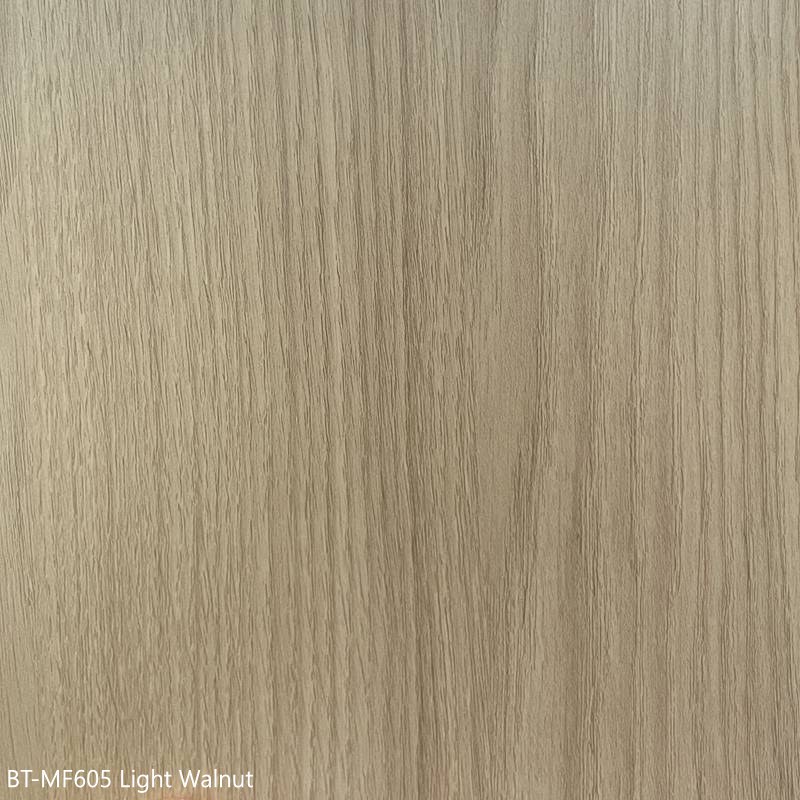
Woodgrain decorative film often includes visual and textural details that make the surface look more natural. Because of this, dirt can sometimes collect more easily in certain grain lines or embossed areas than on a completely smooth plain-color surface. Cleaning should still stay gentle, but it may require a little more attention in these textured parts.
A soft cloth moved along the grain direction often works better than rough circular scrubbing. This helps remove dust and light dirt from the textured pattern without making the cleaning process feel too aggressive. For decorative interior surfaces, patience and gentle wiping usually protect the finish better than repeated heavy rubbing.
Keep Moisture Under Control
These decorative film rolls are designed for interior applications and show good resistance to humidity in normal use, but cleaning should still avoid excessive water. This is especially important for laminated furniture panels, cabinet fronts, doors, and boards where water should not be left standing around edges, joints, or seams.
A lightly damp cloth is usually enough. There is rarely any need to soak the surface. After wiping, it is a good idea to dry the area with a clean cloth so the finish stays neat and the panel remains comfortable to touch. Good maintenance is not about avoiding all moisture. It is about using a controlled amount in a sensible way.
Match Cleaning To The Application Area
Different installations may need slightly different cleaning routines depending on where the film is used. Furniture surfaces in living rooms and bedrooms often collect mostly dust and fingerprints, so dry wiping and occasional mild detergent cleaning are enough. Cabinets and doors in more active household areas may need more frequent spot cleaning. Decorative wall panels usually need less direct cleaning but may still require regular dust removal to keep the grain effect looking sharp.
In commercial interiors, surfaces often receive more touch and more visible use, so regular light cleaning becomes more important. The key is not to over-clean, but to keep the finish consistently maintained. Small routine cleaning is usually more effective than waiting for heavy dirt to build up.
Long-Term Maintenance Is Mostly About Routine
One reason many buyers like woodgrain interior decor film is that it does not require difficult maintenance. Long-term care is usually about keeping a simple routine. Dust it regularly, wipe daily marks early, use mild cleaner when needed, and avoid tools that are too harsh. That is often enough to keep the decorative effect in good condition.
This is especially useful in larger furniture production and interior projects, where easy maintenance matters just as much as decorative appearance. A surface that looks good but is difficult to care for often creates extra work later. A surface that stays attractive with basic daily cleaning is usually more practical in real use.
Why Proper Cleaning Protects The Decorative Effect
Woodgrain decorative film is often chosen because it gives furniture and panels a warm, natural look. That look depends not only on the material itself, but also on how it is maintained after installation. Dust buildup, dried stains, or overly aggressive cleaning can slowly reduce the visual quality of the surface.
Proper cleaning helps preserve the depth of the color, the clarity of the wood pattern, and the neat appearance of the laminated board. In other words, good maintenance protects not just cleanliness, but also the decorative value that made the material appealing in the first place.
Conclusion
Cleaning durable woodgrain decorative film rolls is usually simple when the right method is used. In most cases, regular dust removal with a soft cloth, gentle wiping with mild detergent, and quick attention to spills are enough to keep the surface looking neat and natural. The most important point is to clean gently and avoid abrasive tools or harsh chemical products that may damage the decorative finish.
For furniture manufacturers, interior panel buyers, and decoration projects, easy maintenance is one of the practical advantages of this type of woodgrain interior decor film. If you would like to know more about product applications, surface performance, or suitable decorative film options for your project, feel free to contact us. We can help you choose a woodgrain decorative film solution that fits your production and interior design needs.