

Where Was Sneaky Pete Filmed?
Decorating an open floor plan is less about filling a large space and more about giving that space order, rhythm, and comfort. When the living area, dining area, and kitchen connect without full walls, the room can feel bright and modern, but it can also feel scattered if every section follows a different visual direction. A good open floor plan should feel connected without looking flat, and divided without feeling closed off.
The easiest way to achieve that balance is to treat the whole area as one design story with several functional zones inside it. Instead of decorating each section as if it belongs to a separate room, it is better to build visual continuity through color, material, surface finish, and proportion. Once that foundation is clear, the open layout starts to feel intentional rather than unfinished.
Start With A Unified Surface Language
In an open floor plan, surfaces do a lot of the work that walls normally do. Floors, cabinet panels, decorative wall finishes, and furniture facings all influence how the eye moves across the space. If those surfaces feel disconnected, the room can quickly become visually noisy.
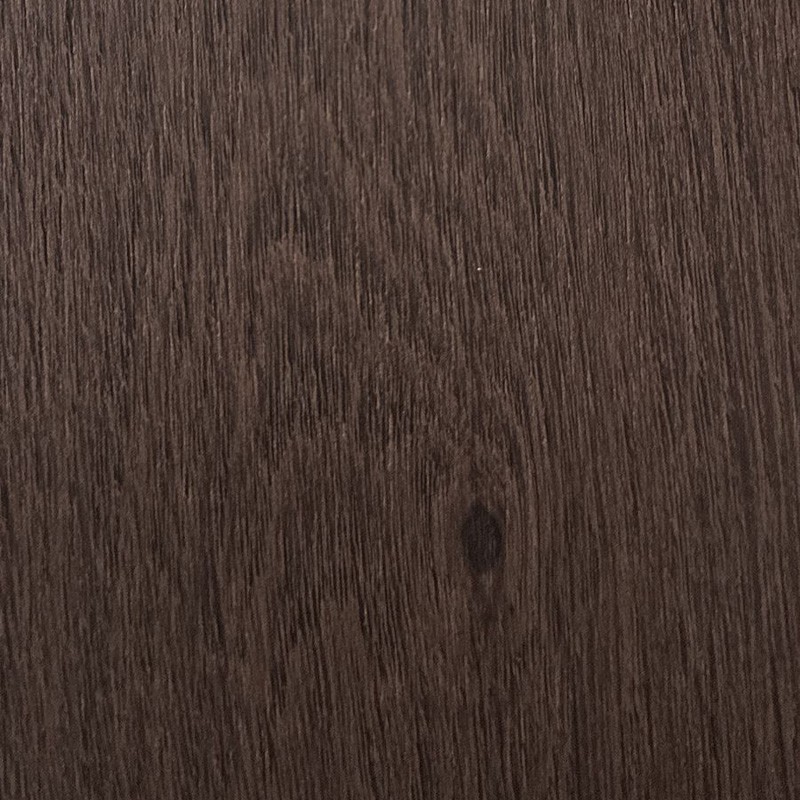
That is why many designers begin with a consistent material language. Wood-look finishes are especially useful in open layouts because they bring warmth and help connect multiple zones without making the room feel heavy. A wood grain decorative pet film can work well in this kind of environment because it creates a realistic wood texture while supporting a cleaner and more coordinated panel finish. It is a practical option for decorative panels, cabinets, and other interior surfaces that need to look connected across the room.
When similar wood grain tones appear in more than one area, the whole space feels calmer. The room does not need every surface to match exactly, but it should feel like the materials are speaking the same design language.
Define Zones Without Closing The Space
An open floor plan still needs clear functional areas. The living zone should feel different from the dining zone, and the kitchen should feel organized rather than blending into everything else. The goal is not to separate these areas with walls, but to give each one a clear identity.
This can be done through furniture placement, ceiling lights, rugs, or surface changes. A sofa can define the edge of the living area. A dining table can anchor the center of the eating space. A cabinet wall or decorative panel surface can help the kitchen feel more structured. These boundaries do not need to be dramatic. In fact, subtle transitions usually work better in open interiors because they preserve the sense of openness while still guiding daily use.
Surface decoration also helps here. When cabinetry, wall panels, or storage fronts use a coordinated wood grain finish, the room feels connected even while each zone keeps its own purpose.
Use Vertical Elements To Add Structure
In open layouts, horizontal space usually dominates. That is why vertical surfaces become so important. Feature walls, tall cabinets, storage units, and decorative panel sections help create balance by pulling the eye upward and giving the room more structure.
This is one reason decorative film materials are widely used in interior projects. A wood grain decorative pet film can be laminated on panels and used to create a cleaner visual line on cabinets, partitions, and decorative surfaces. In open floor plans, these elements can quietly organize the room without adding visual weight.
A large space often feels more complete when some surfaces have texture and depth rather than remaining plain and empty. Wood grain finishes are especially effective because they soften modern interiors and make large open areas feel more livable.
Keep The Color Palette Controlled
Open floor plans usually look better when the color palette is controlled. Too many strong colors in one connected area can make the room feel busy and fragmented. A more refined approach is to let one or two main tones carry the space, then add smaller accents through furniture, lighting, or textiles.
Wood grain finishes support this approach well because they introduce natural variation without making the room feel chaotic. They add warmth, pattern, and depth in a way that still feels stable. This is useful in both home and business space decoration, where the interior needs to look polished but still welcoming.
When the palette is controlled, even a large open room feels easier to read. The eye can move naturally from one area to another without feeling interrupted.
Choose Decorative Materials That Fit Daily Use
Open floor plans are usually high-use spaces. People walk through them constantly, gather there, eat there, and often work there as well. That means decorative choices should not only look good in photos. They also need to work in daily life.
For panel surfaces, cabinetry, and decorative wall applications, this is where modern decorative materials become important. A wood grain decorative PET film offers a decorative wood-style effect while also fitting practical interior applications such as laminated panels, customized projects, and larger supply needs. It is commonly supplied in rolls and can support OEM and ODM requirements, which makes it suitable not only for individual interiors but also for larger project planning.
In open layouts, practicality matters because the whole room is always visible. A finish that looks clean, coordinated, and easy to maintain supports the overall quality of the space every day.
Make Storage Part Of The Design
Storage has a big influence on whether an open floor plan feels calm or cluttered. Because there are fewer walls, there are also fewer places to hide everyday items. That is why built-in storage, sideboards, tall cabinets, and decorative panel systems should be considered part of the design from the beginning.
When storage surfaces match the rest of the room, they do not feel like visual interruptions. Instead, they help the layout feel more complete. Wood grain decorative surfaces are often helpful here because they allow storage units to look warmer and more integrated with nearby furniture and panel finishes.
A well-decorated open floor plan is usually not the one with the most objects. It is the one where necessary elements are placed clearly and finished in a way that supports the whole room.
Conclusion
Decorating an open floor plan works best when the space is treated as one connected environment with clearly defined zones inside it. A unified surface language, controlled color palette, well-placed furniture, and thoughtful vertical elements all help create order without taking away openness.
Decorative materials also play an important role. Wood grain decorative PET film can help bring warmth, consistency, and a more refined panel finish to open interiors, especially in spaces that need coordinated cabinetry, wall decoration, or custom surface solutions.
If you are planning an open floor interior and want help choosing decorative film styles, panel applications, or customized surface options, feel free to contact us. We can provide product guidance and help you find a more suitable decorative solution for your project.