

How Much Does Window Tinting for A Car Cost?
When buyers search how much does window tinting for a car cost, they are usually not asking about price alone. They also want to know what makes one film cheap, another expensive, and why two films that look similar on the surface can create very different results after installation. For dealers, film distributors, project buyers, and private-label importers, this question matters even more because price directly affects product positioning, customer expectations, and repeat order potential.
In the retail market, basic car window tinting often starts around the lower end for simple dyed film, while a full sedan with better-grade material can move into a much higher price range. Premium ceramic systems can go even further, especially on larger SUVs or vans. A commonly cited general range is about $250 to $500 for a sedan, with premium nano-ceramic applications on larger vehicles reaching $1,000 or more. That wide gap shows one important truth: cost is not only about covering glass. It is about film type, visual effect, installation difficulty, durability, and how the product will perform over time.
What Really Affects Car Window Tinting Cost
The first factor is film construction. A low-cost dyed film may look acceptable at the beginning, but price pressure often appears later through fading, uneven color, or shorter service life. More advanced films usually cost more because they offer better glare reduction, more stable appearance, or stronger decorative effect. For many buyers, the real issue is not the invoice price. It is whether the film still looks sellable after months of exposure to sunlight and heat.
The second factor is vehicle size and glass complexity. A compact car with simple window shapes costs less to tint than a large SUV, van, or model with more curved glass. Installation labor changes with the amount of cutting, positioning, and finishing required. That means even a good film can look uncompetitive if labor time becomes too high.
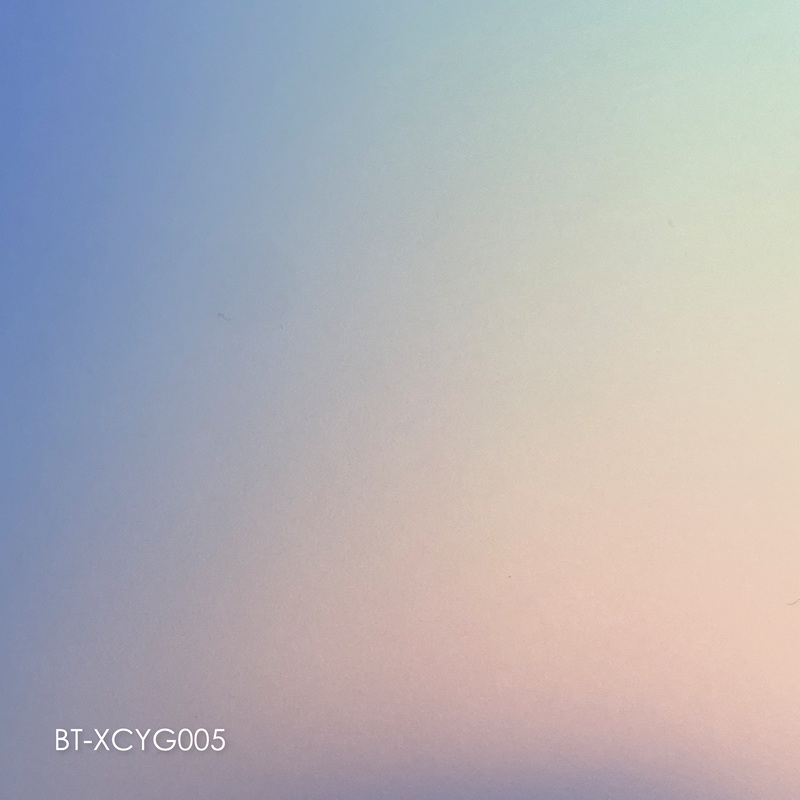
The third factor is the role of the film itself. Some films are selected mainly for heat and UV control. Others are chosen because visual differentiation matters. This is where decorative and colorful tint films create a different business angle. Not every buyer wants a standard dark film. In some markets, customers are looking for privacy, reflection, style, and customized appearance at the same time. That changes how the value of the film is judged.
Why Material Choice Matters More Than Buyers Expect
Many buyers focus on shade or color first, but the base material often has a bigger long-term impact. A film made for decorative and reflective performance needs to deliver a stable finish, clean surface quality, and consistent roll output. If the material is unstable, even a strong-looking color effect may become a complaint point later.
For this reason, product sourcing should not stop at asking how much does window tinting for a car cost. A better sourcing question is what kind of film supports both appearance and repeatability. A Decorative Colorful Window Tint Film made with PET Reflective Film structure gives buyers a more product-oriented option when they want something beyond ordinary dark tint. It adds visual character to glass while still supporting privacy and glare reduction goals. That is useful for customers who care about car styling as much as cabin comfort.
For wholesalers and private-label buyers, another advantage is flexibility. When a supplier can support OEM and ODM programs, the film is no longer only a stock item. It becomes a category that can be adjusted for different markets, collections, and branding needs. That matters in competitive markets where identical standard tint products are already widely available.
Cost Versus Value In The Real Market
The market often treats automotive tint as a price comparison item, but experienced buyers know that low entry pricing can hide later costs. Rework, edge lifting, inconsistent color, difficult handling, and poor customer feedback can damage margin faster than a slightly higher material cost. This is why more professional buyers compare cost through total project value instead of initial roll price alone.
A decorative colorful tint film creates a different value proposition. It is not trying to compete only with the lowest dark tint in the market. It serves buyers who want to offer something more distinctive. In retail channels, that can help installers avoid direct price-only competition. In distribution channels, it can open a broader customer base that includes automotive styling, decorative glass applications, and mixed commercial demand.
This is also where product presentation matters. A film with a colorful reflective effect can be sold not just as a practical tint, but as a finish upgrade. That helps customers understand why one option costs more than another. The conversation moves from cheapest tint to visible result, privacy feel, and surface effect.
How Buyers Should Evaluate A Tint Film Supplier
For B-end buyers, cost evaluation should include supply stability, customization support, and quality control consistency. A product may look attractive in one sample roll, but large-order reliability is what determines whether it can become a stable sales line. Buyers usually care about color consistency between batches, roll condition, cutting usability, packaging stability, and how clearly the supplier can support specification matching.
A supplier offering large supply capacity, OEM and ODM support, and recognized testing or certification gives buyers more confidence when developing a long-term tint film program. This is especially important for importers and project buyers who need more than a one-time order. They need a partner that can support repeat supply and product planning.
Another practical issue is category overlap. A decorative colorful film that can work across automotive and other glass decoration projects gives buyers more room to build product combinations. That can lower inventory pressure because one film direction may serve more than one customer segment.
Where A Decorative Colorful Film Fits Into The Car Tint Market
Not every automotive customer wants the same result. Some want darker privacy. Some care more about glare control. Some want the car to stand out visually. A decorative colorful window tint film fits this last group especially well, while still giving practical benefits such as improved privacy and a more comfortable visual environment.
That makes it a useful product direction for buyers who do not want to compete only in the standard black tint segment. Instead of joining the most crowded part of the market, they can offer a film that adds visible style and decorative effect. In this sense, the answer to how much does window tinting for a car cost depends partly on what kind of product the buyer wants to sell. If the goal is only minimum price, the market already has many options. If the goal is more distinctive value, the product strategy changes.
Conclusion
The cost of car window tinting can vary widely, but the real decision should not be based on price alone. Film type, vehicle size, visual effect, and long-term performance all shape what the customer is really paying for. For buyers who want to move beyond standard low-price tint, a decorative colorful window tint film offers a stronger product story through appearance, privacy, and market differentiation.
If you are reviewing decorative tint film options for automotive glass programs or looking for a supplier that can support OEM and ODM needs, feel free to contact us. We can help you evaluate the right film direction for your market, discuss product details, and provide practical guidance for your sourcing plan
Previous: What Is Polyester Film?