

What Is Wood Grain Paper?
Wood grain paper is a decorative surface material designed to reproduce the look of natural wood on furniture panels, doors, cabinets, wall boards, and other flat substrates. In the market, the term is often used broadly, but many buyers today are no longer looking for traditional low-end paper finishes alone. They are comparing more durable surface solutions that can deliver a wood appearance with better consistency, easier processing, and longer service life. That is why wood grain pet film wrap has become closely related to this topic. It offers the visual effect of wood grain while giving manufacturers a more stable decorative layer for modern laminated products.
For many buyers, the real question is not only what wood grain paper is, but what kind of wood-look surface material is more practical for current production. Traditional decorative paper may still be used in some applications, yet it can be limited by moisture resistance, wear performance, and finish consistency. A wood grain film wrap based on PET or similar polymer materials gives the market another path. It keeps the wood texture image that buyers want, while improving surface behavior, processing flexibility, and product positioning for large-scale manufacturing.
Why Buyers Still Search For Wood Grain Paper
The phrase wood grain paper remains popular because many importers, wholesalers, and factory buyers use it as a general search term when looking for wood-look decorative materials. In practice, they may be searching for paper, PVC foil, pet film, or other wrapping and laminating materials that can create a wood effect on finished products. This is common in furniture and interior decoration sourcing, where buyers often start with a familiar term and then narrow down to the material that best fits their production method.
That is also why the definition needs to be clarified. Wood grain paper usually refers to a decorative layer printed with a wood pattern. It is used to change the appearance of a base surface without using real wood veneer. However, in current manufacturing, many projects require more than printed appearance. Buyers are also asking for better surface durability, waterproof performance, easier maintenance, and more reliable batch consistency. This is where wood grain film wrap becomes more relevant than standard decorative paper in many modern applications.
How Wood Grain Film Wrap Connects To This Topic
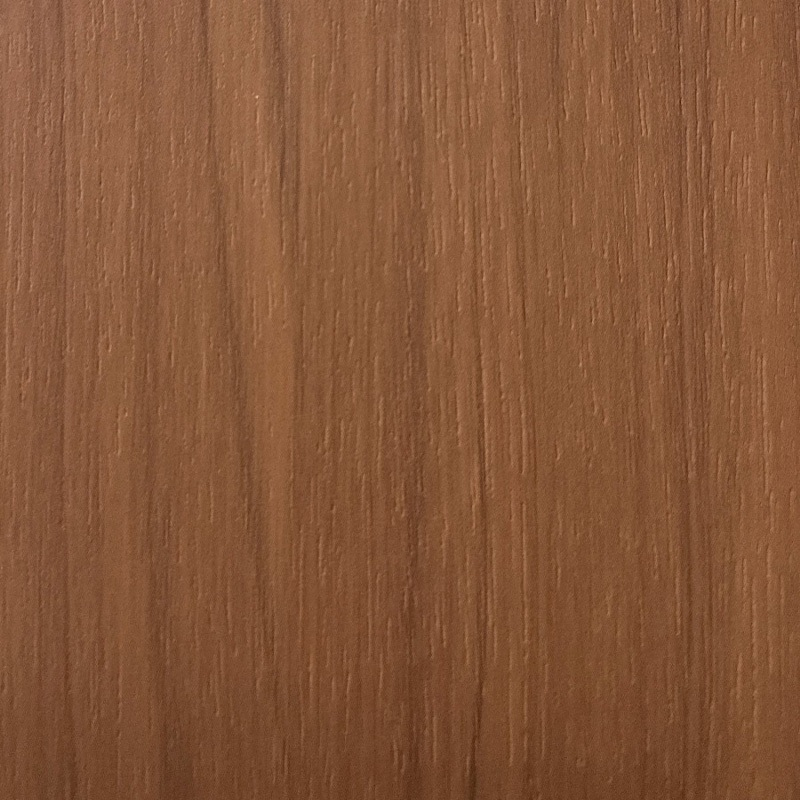
A wood grain film wrap is a flexible decorative material that uses polymer substrates such as PET or PVC and reproduces natural wood texture through precision printing and embossed surface treatment. In simple terms, it answers the same market need that wood grain paper answers, but with a more advanced product form. Instead of functioning as a basic decorative sheet only, it is designed to provide wood-look aesthetics together with improved wear resistance, waterproof behavior, and broader substrate compatibility.
For manufacturers, this matters because appearance alone is not enough. A cabinet door, wall panel, or interior board may need to pass through cutting, laminating, transport, installation, and daily use before it reaches the end customer. If the surface layer is too weak, complaints can come from scratches, edge damage, inconsistent finish, or difficult maintenance. A wood grain film wrap helps reduce those risks while keeping the decorative value that made wood grain paper popular in the first place.
What Makes This Material More Practical For Production
One of the main reasons buyers move from traditional wood grain paper to film-based solutions is production stability. In volume manufacturing, a decorative surface material needs to do more than look good in one sample. It must remain consistent from batch to batch and work smoothly with the factory’s laminating process. If the color changes too much, the texture looks uneven, or the film behaves poorly during application, production waste increases and profit drops.
A wood grain film wrap is better suited to this requirement because it is developed as a flexible decorative material for repeatable industrial use. It can simulate natural wood texture through precision printing and three-dimensional embossing, giving the finished panel a more realistic wood appearance without depending on real veneer. This helps factories offer a wood-style product line while keeping production more standardized and scalable.
Another advantage is specification flexibility. Buyers often do not want one fixed size only. In real purchasing, width, thickness, and roll length affect transport planning, lamination efficiency, and final material utilization. A decorative film product that supports broader specification adjustment is easier to integrate into different production systems, especially for OEM or custom surface programs.
What B-End Buyers Usually Care About
When professional buyers ask about wood grain paper, they are often thinking beyond appearance. Their real concerns usually include whether the material is easy to laminate, whether the surface remains stable after fabrication, and whether the same wood tone can be repeated across multiple orders. They also care about whether the product can help them offer a more competitive decorative board or wrapped panel without creating new problems in production.
Durability is another major concern. A decorative surface may be used on wardrobes, cabinets, wall panels, display fixtures, or interior boards. These products face daily contact, cleaning, and environmental changes. If the surface scratches too easily or reacts poorly to moisture, the decorative value drops quickly. That is why many buyers now compare wood-look materials not only by pattern, but also by waterproof performance, wear resistance, and maintenance convenience.
There is also a market positioning issue. Many buyers no longer want to compete only in low-price decorative surfaces. They want a material that looks more refined and helps the final product feel more modern and more commercially attractive. A wood grain film wrap can support that goal because it combines realistic wood styling with a cleaner, more engineered product story.
Why Surface Texture Matters So Much
In wood-look decorative materials, texture makes a major difference. A flat printed surface may show a wood pattern, but it often lacks the depth that makes the product feel convincing at close range. This is one reason embossed wood grain film has gained more attention. By adding surface texture, the material can create a more realistic visual and tactile effect, which helps the finished product stand out in competitive furniture and interior markets.
This matters in real business terms. Buyers do not only sell material. They sell the finished appearance of cabinets, doors, panels, and decorative boards. If the surface feels too artificial, the final product may struggle in higher-value markets. A wood grain film wrap with precision printing and three-dimensional embossing gives buyers a way to improve perceived quality without moving to far more expensive real wood solutions.
How To Evaluate A Supplier For Wood-Look Decorative Materials
Choosing a supplier for wood-look surfaces should not stop at pattern selection. Buyers should also consider material range, customization support, production capacity, and application understanding. A reliable supplier should be able to explain not just what the film looks like, but how it behaves on actual substrates and what kinds of projects it fits best.
Customization ability is especially important when buyers want unique grains, private-label programs, or color systems that match a broader collection. Large-scale supply capacity also matters for repeat business, because a decorative line only becomes commercially useful when it can be reordered with stable quality. If the supplier can support both standardized products and custom development, buyers have more room to build differentiated product lines rather than relying on the same common wood patterns as everyone else.
Why This Topic Matters For Modern Decorative Panels
The reason the question what is wood grain paper still matters is simple. Buyers are still looking for cost-effective ways to create a wood appearance on manufactured surfaces. What has changed is the level of expectation. The market now wants more than a printed layer that imitates wood. It wants better finish stability, more realistic texture, and easier industrial use.
That is where wood grain film wrap fits naturally into the discussion. It serves the same decorative purpose that wood grain paper is known for, but it responds more directly to current manufacturing needs. For buyers in furniture, wall panel, and decorative board sectors, this makes it a more commercially relevant material direction, especially when product consistency and long-term surface performance are part of the purchasing decision.
Conclusion
Wood grain paper is generally understood as a decorative material used to create a wood-look finish on different surfaces, but in modern manufacturing the discussion often goes further than paper alone. Many buyers are now comparing improved surface materials that can offer the same wood appearance with better durability, better processing performance, and stronger product consistency. That is why wood grain film wrap has become an important option in this category.
If you are developing wood-look decorative panels and want a surface solution that supports realistic texture, flexible processing, and large-scale supply, we are ready to help. Share your substrate, finish requirement, or project idea with us, and we can discuss suitable material options and practical guidance for your sourcing plan.
Previous: How To Add Wood Grain To Plastic?
Next: What Is Polyester Film?