

How To Add Wood Grain To Plastic?
Adding wood grain to plastic is one of the most practical ways to upgrade the look of a product without switching to real wood or heavy decorative boards. For many manufacturers, distributors, and project buyers, the goal is not only to make plastic look better. It is to make the surface look warmer, more natural, and more marketable while keeping the advantages of plastic such as light weight, easy processing, and lower cost.
That is why this topic matters in real sourcing. A plain plastic surface can feel too industrial or too basic in furniture parts, decorative panels, interior trim, retail fixtures, and renovation components. A wood-look finish helps solve that problem. It gives plastic a more familiar and premium appearance while keeping production flexible. In many cases, the most efficient way to do this is not by changing the plastic itself, but by applying a decorative film that carries the wood grain effect.
A wood grain film is closely connected to this process because it allows manufacturers to add wood texture and wood color to plastic surfaces in a faster and more controllable way. Instead of using real veneer or repainting every part, the producer can work with a flexible surface layer designed for decorative wrapping and lamination.
Why Buyers Want Wood Grain on Plastic
Plastic is widely used because it is practical, but its appearance does not always meet market expectations. In many product categories, customers want the cost and workability of plastic while still expecting the visual feel of wood. This is common in interior decoration, display systems, wall elements, furniture accessories, and renovation materials.
For B-end buyers, this is not just a style issue. It is a product positioning issue. If the surface looks too ordinary, the final item becomes harder to sell in higher-value markets. A wood grain finish can help a plastic-based product fit better into residential interiors, commercial spaces, and decorative environments where a plain synthetic look is less attractive.
This is also why buyers are no longer satisfied with a rough printed effect. They want a more natural wood appearance, stable color, cleaner surface quality, and repeatable production results. The decorative method must work in actual manufacturing, not only in a sample room.
Common Ways to Add Wood Grain to Plastic
There is more than one way to create a wood grain effect on plastic. Some producers use printing directly on the plastic surface. Some use transfer methods. Some rely on paint systems with patterned finishing. These methods can work, but they often depend heavily on process control, surface preparation, and equipment consistency.
In many practical projects, film application is a more efficient route. A wood grain film is applied to the plastic surface to create the decorative layer, which means the wood appearance comes from the film rather than from changing the plastic substrate itself. This approach is easier to standardize, easier to repeat across batches, and often easier to adjust when the buyer wants different grain styles or color families.
That is why wood grain film has become an important answer to the question of how to add wood grain to plastic. It combines visual decoration with a production method that is more suitable for volume manufacturing and product line development.
Why Wood Grain Film Is a Practical Solution
A wood grain film works well for plastic because it separates structure from appearance. The plastic keeps its role as the base material, while the film becomes the visible decorative layer. This is useful because the producer does not need to give up the processing advantages of plastic just to achieve a wood-style surface.
For buyers, this also solves a common sourcing problem. Real wood or wood veneer may increase weight, cost, storage complexity, and material variation. Decorative coatings may create inconsistency between batches. A film-based solution gives the buyer more control over appearance while keeping the core product structure more stable.
A 3m wood grain film is especially relevant in this discussion because it is built as a decorative composite material rather than a simple printed sheet. That makes it more suitable for renovation-style surface upgrading, wrapped decorative parts, and projects where a wood-look finish needs to be applied across larger areas or repeated product runs.
What Makes the Process Successful
Adding wood grain to plastic is not only about choosing a pattern. The result depends on how well the decorative layer works with the plastic surface in actual production. Buyers usually care about whether the film applies smoothly, whether the edges stay clean, whether the wood tone stays consistent, and whether the final surface still looks good after use.
This is where many low-cost decorative materials fail. They may look acceptable at first, but later show lifting, poor texture definition, unstable color, or weak surface performance. For factories and wholesalers, these problems are expensive because they lead to rework, complaints, and uneven product presentation.
A better decorative film helps reduce those risks. It should give a convincing wood look, adapt to processing needs, and support more consistent output. For manufacturers, this means the decorative solution must fit the production line instead of becoming an extra source of quality problems.
What B-End Buyers Usually Care About
When professional buyers look for ways to add wood grain to plastic, they usually think about four things. First is visual realism. If the wood grain looks too flat or too artificial, the finished product loses value. Second is process stability. The material must work smoothly in production instead of slowing the line down.
Third is consistency across orders. A decorative material is only commercially useful when the same style can be repeated from batch to batch. Fourth is market flexibility. Buyers often want more than one grain direction, because different customers prefer different wood tones and textures.
This is where wood grain film becomes more commercially useful than many direct finishing methods. It gives buyers a decorative category that can be expanded, adjusted, and positioned for different markets without rebuilding the whole product structure.
Where This Approach Works Best
Wood grain added to plastic is especially useful in products that need a warmer or more architectural look without losing the practical benefits of polymer materials. It works well in decorative boards, interior trim elements, display parts, renovation surfaces, cabinet-related components, and commercial fit-out materials.
In these categories, appearance plays a strong role in purchasing decisions. A plastic component that looks like plain molded material may compete only on price. The same component with a cleaner wood grain finish can enter a different product tier. That difference matters to importers, brand owners, and project suppliers who need products that feel more design-oriented.
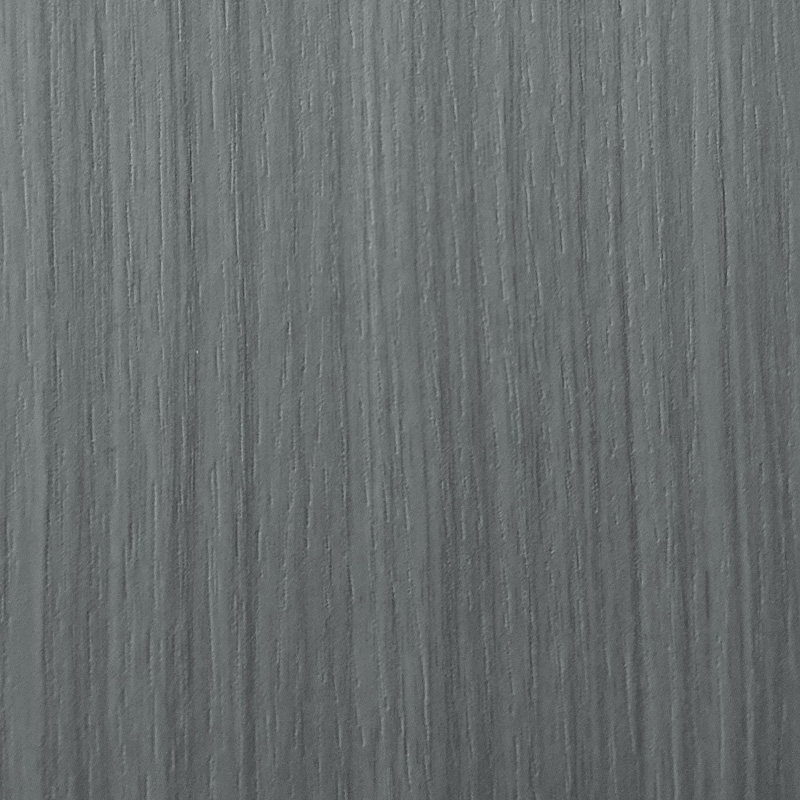
A decorative film wrap also gives more room for style variation. Instead of staying with one plain surface, buyers can build a more complete collection around oak-like, walnut-like, dark wood, or modern light wood directions. That helps them create broader product lines with the same basic substrate.
Why This Matters for Product Development
For many factories, the question is not whether wood grain can be added to plastic. It is how to do it in a way that remains efficient, scalable, and commercially useful. A decorative solution that looks good but creates instability in production is not a strong business answer.
That is why film wrapping remains attractive. It helps manufacturers upgrade the surface value of plastic-based products while keeping production logic relatively simple. It also gives developers more freedom when they want to refresh an existing line without redesigning the whole product from the beginning.
A wood grain film can therefore be seen as both a decorative material and a product development tool. It helps turn an ordinary plastic surface into something better suited to current interior and commercial design preferences.
Conclusion
If the goal is to add wood grain to plastic, one of the most practical methods is to use a decorative wood grain film rather than trying to create the effect directly in the plastic itself. This approach keeps the advantages of plastic while improving the visible surface with a more natural and marketable finish.
For buyers, this means better flexibility in product design, more control over visual style, and an easier way to develop wood-look product lines without the cost and limits of real wood materials. A well-selected wood grain film can help plastic components move into more decorative, more competitive, and more commercially attractive applications.
If you are evaluating wood grain film for plastic surface upgrading, decorative wrapping, or renovation-related production, feel free to contact us. We can discuss your substrate, style direction, and project needs, and help you find a more suitable surface solution for your sourcing plan.
Previous: What Is Metalized Pet Film Used for?