

Is There A Laminate That Looks Like Wood?
Yes, there is. And in many projects, it is no longer just a second-choice substitute for real wood. Today, wood-look laminate is used because it gives buyers more control over appearance, consistency, cost, and maintenance. That is exactly why products like wood grain laminate paper have become so relevant in furniture, interior decoration, and commercial surface design.
When people ask whether there is a laminate that looks like wood, they are usually not only asking about color. They want to know whether the surface can actually carry a believable grain pattern, whether it can stay stable in use, and whether it makes sense for real production. A decorative laminate with a wood effect needs to do more than copy a natural tone. It has to give the project a convincing finish while remaining easier to process and manage than solid wood or traditional veneer. That is where wood grain laminate paper fits naturally into the conversation. It is designed to reproduce wood texture on a PETG base while keeping the material practical for panel lamination and interior surface work.
Why Buyers Look For Wood-Look Laminate
Real wood has obvious appeal, but it also comes with limits. Color variation between batches can be hard to control. Surface quality may not stay consistent across larger runs. Processing costs can rise quickly, especially when the design calls for a refined visual effect but the project still needs predictable production.
That is why wood-look laminate continues to gain attention. It offers a way to bring a wood appearance into a product without depending on natural timber for every visible surface. For B-end buyers, that can solve several pain points at once. It helps keep visual consistency across panels, makes supply planning easier, and gives more flexibility in design programs where matching tone and grain matters. In this case, wood grain laminate paper is positioned as a decorative material that uses embossing technology to recreate the texture of wood species such as oak and elm on a PETG substrate.
What Makes It Look Like Real Wood
A laminate does not look convincing just because it uses a brown print. The effect depends on texture, depth, surface finish, and the relationship between the grain pattern and the touch of the material. If the visual layer looks flat, the result usually feels artificial right away.
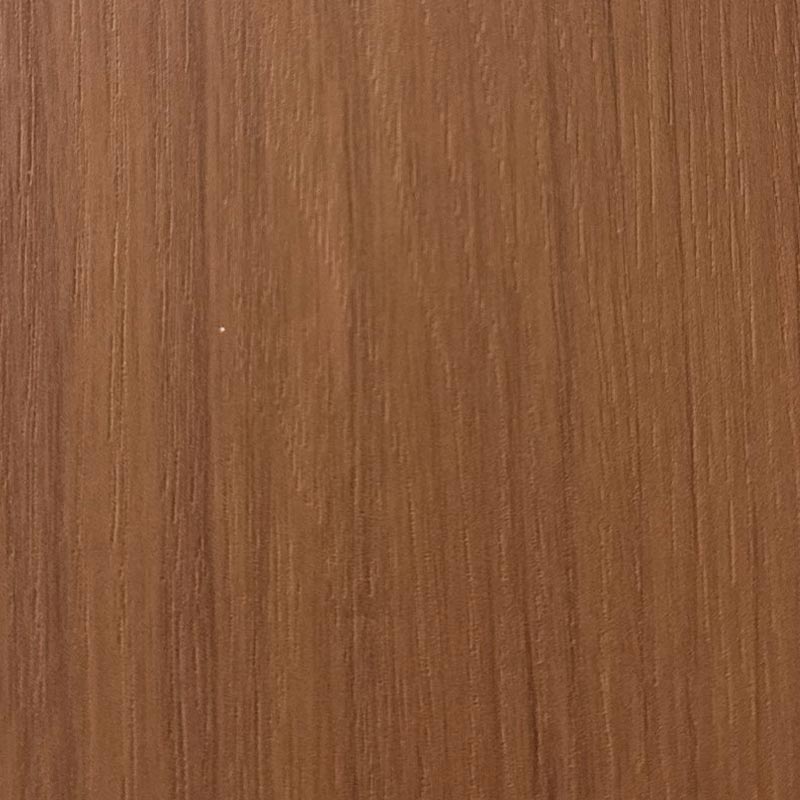
This product is built around that exact issue. It uses embossing technology to reproduce three-dimensional wood textures rather than relying on color alone. The product page describes grain reproduction with up to 98 percent texture fidelity and micron-level control over the width and depth of the grain. In practical terms, that means the material is trying to create both a visual and tactile wood effect, not just a printed imitation. For buyers developing furniture boards, wall panels, or display surfaces, that difference matters. A believable wood look often depends on touch almost as much as appearance.
Why PETG Changes The Value Of The Product
The base material matters just as much as the surface design. In this case, the laminate paper uses PETG, which gives the product a more modern performance profile than many traditional decorative layers. A wood-look surface only works commercially if it can stay stable after installation and through regular use.
The product information emphasizes PETG as an environmentally oriented and recyclable base material, with a stated recycling rate of up to 70 percent and lower carbon emissions than traditional PVC. That matters for buyers who are not only comparing visual quality, but also material direction and market positioning. In many current furniture and decoration programs, environmental considerations are no longer optional. They are part of the sourcing conversation from the start.
Where Wood-Look Laminate Is Commonly Used
The most direct use is panel lamination. That includes furniture boards, cabinet surfaces, wardrobe panels, desks, decorative wall sections, and other flat or semi-flat structures that need a wood finish without using solid wood on the visible surface. The product page lists panel lamination as its primary usage and home or business space decoration as a key application direction.
This matters because buyers are often not choosing between laminate and nothing. They are choosing between laminate, veneer, painted surfaces, and other decorative options. A wood grain laminate becomes especially useful when the goal is to keep a natural wood appearance while improving production efficiency and consistency. In high-end furniture manufacturing, interior decoration, and commercial display design, this material is presented as a practical decorative solution. The same page also notes use in TV walls, entryways, stair treads, display counters, exhibition boards, and branding walls.
Why It Appeals To Commercial Buyers
For commercial buyers, the main issue is rarely whether a sample looks good. The bigger issue is whether the finish can hold up across real orders. If a decorative material changes too much between batches, scratches too easily, or fades too quickly, the project becomes harder to manage and the final product becomes harder to defend.
That is where this type of laminate tries to offer more than appearance. The product information highlights weather resistance, abrasion resistance, and flame retardancy. It claims an ASTM G154 color change rate of only 2.1 percent under UV testing, an AC5 abrasion resistance rating, and UL 94HB flame retardancy performance. Whether a buyer is working on furniture, interior panels, or display systems, these are the kinds of details that make a decorative surface more commercially usable. They shift the product from simple decoration toward real surface engineering.
How It Helps In Furniture And Interior Projects
In furniture projects, the value is usually clear: a wood-look surface can give cabinets, wardrobes, and desks a warmer finish while keeping production more standardized. The product page even notes that furniture using wood grain materials can command a price premium of around 18 percent over standard materials, along with a stated customer satisfaction rate of 95 percent. In interior projects, the benefit is slightly different. Designers often want a wood effect, but not all spaces are ideal for traditional wood materials. A laminate surface can help bring the right visual language into the project while keeping the surface easier to match across larger areas. The page describes an indoor service life of over 15 years in interior decoration, which is presented as longer than many traditional decorative materials. For project buyers, that kind of durability claim matters because replacement costs and maintenance issues often decide whether a surface choice was really successful.
Is It Only About Looks
Not really. The reason this product category keeps growing is that it solves more than one problem. Yes, it creates a wood appearance. But it also helps with repeatability, maintenance, and processing. The page notes that the material is easy to clean and maintain, and its maintenance section recommends simple wiping with a soft microfiber cloth and neutral detergent. That kind of routine care is usually much easier for end users than maintaining natural wood finishes in busy environments.
For B-end buyers, this is often the deciding factor. A surface that looks good only in a showroom is not enough. It needs to keep working after installation, under real handling, light cleaning, and everyday use. A wood-look laminate with believable texture and better consistency can often deliver more stable results than buyers first expect.
Conclusion
So, is there a laminate that looks like wood? Yes, and it can be a very practical choice when the goal is to combine wood appearance with more stable surface performance. Wood grain laminate paper is one of those materials that answers the question clearly. It is designed to reproduce realistic wood texture, support panel lamination, and fit both home and commercial decorative projects. At the same time, it gives buyers a more controlled alternative to natural wood surfaces in production.
If you are comparing decorative materials for furniture panels, interior surfaces, or branded commercial projects, it is worth looking closely at how wood-look laminate performs beyond appearance alone. If you have questions about finishes, application direction, or customization, feel free to contact us for product guidance and project support.