

Custom Gradient Window Films: How To Match Your Brand Colors on Glass?
Custom gradient window films are becoming more popular in branded interiors and commercial glass design because they do more than cover glass. They help shape how a space feels, how a storefront is remembered, and how a brand is seen from both inside and outside. For many projects, glass is no longer just a transparent surface. It has become part of the visual identity of the space.
That is why more buyers are looking for gradient window films that can do two jobs at once. They need the film to create a decorative effect, but they also want it to align with brand colors, project style, and customer expectations. In offices, retail stores, showrooms, hospitality spaces, and decorative partition projects, color matching on glass is now part of the design conversation from the beginning.
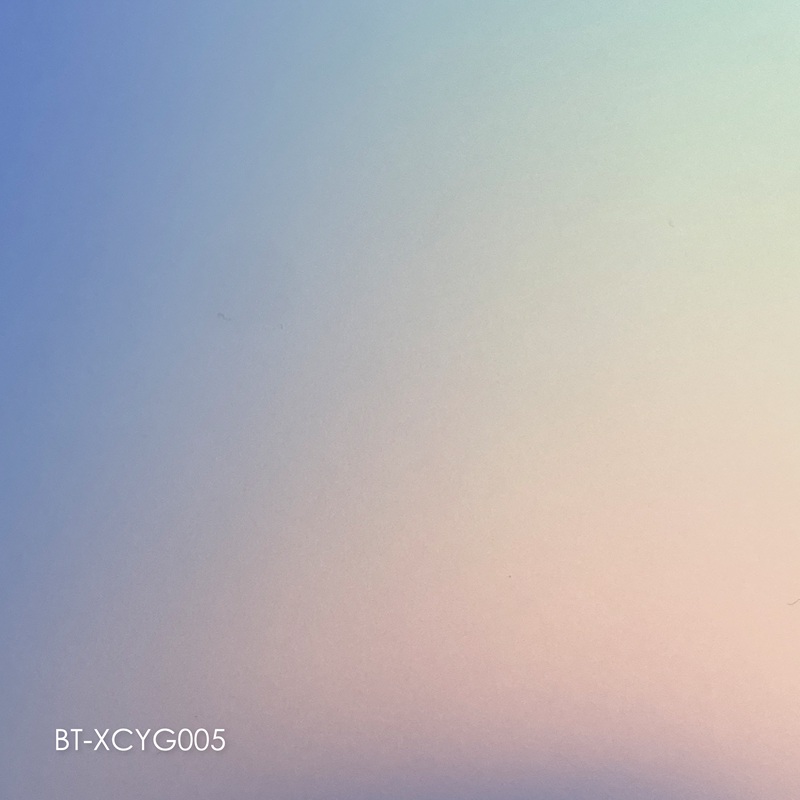
Our rainbow reflective window film fits naturally into this trend. It gives glass a colorful reflective effect and a more distinctive visual layer, which makes it easier for buyers to turn ordinary glass into a branded surface with stronger visual impact.
Why Brand Color Matching On Glass Matters
In many commercial spaces, brand colors are already used on walls, packaging, logos, and display systems. But when the glass area is left untreated, the space can feel visually disconnected. A custom gradient film helps solve that problem by extending the brand language onto windows, partitions, and other glass surfaces.
This matters even more in projects where first impression is important. Retail buyers want storefront glass that attracts attention. Office buyers want meeting rooms and partitions to feel more refined. Display and decorative material buyers often need a product that makes a project look more premium without changing the whole structure.
When the film color direction supports the brand rather than fighting it, the entire project feels more intentional. That is why color matching on glass is not only a decorative choice. It is also a branding decision.
Why Gradient Film Works Better Than Flat Color In Some Projects
A flat color film can look clean, but it does not always create enough depth. Gradient film gives the surface more movement, more light variation, and a more modern appearance. This is especially useful in spaces where the buyer wants the glass to feel expressive without becoming too heavy or closed.
A reflective rainbow gradient effect adds another layer of value because it changes with light and angle. That gives the space a more dynamic appearance during the day and makes the glass feel less ordinary. For branded projects, this kind of visual change can help the space feel more memorable.
Our product works well in this direction because it combines reflective color effect with decorative window application. It is easier to position not only as a window material, but also as part of a visual merchandising or interior branding solution.
How To Match Brand Colors More Accurately
The first step in color matching is not choosing the brightest film. It is understanding what role the glass should play in the full design system. Some brands need a softer gradient that supports the logo color without copying it directly. Others want a stronger reflective surface that creates a more eye-catching effect from the street or from within the showroom.
A practical approach is to start from the dominant brand tone, then decide whether the glass should reinforce that tone or provide contrast around it. In some spaces, a colorful reflective film works best as a visual accent. In others, it becomes the main decorative layer.
For B2B buyers, this is where communication with the supplier matters. A supplier should not only provide film. They should also understand how the product will be used in real spaces, how the lighting affects the appearance, and how the final result supports the buyer’s market positioning.
Why Buyers Need To Consider Light, Space, And Viewing Angle
Gradient reflective film never looks exactly the same in every environment. Light direction, indoor brightness, glass size, and viewing angle all affect how the color appears. A film that looks soft in one office may look much more vibrant in a storefront facing direct daylight.
This is one of the biggest pain points in project buying. A sample may look attractive in hand, but the final installed effect depends on the actual glass condition. That is why experienced buyers think beyond the sample sheet. They consider the installation environment, the reflection level, and how the film will interact with interior lighting and outdoor light.
This also explains why project guidance matters. The more clearly the application conditions are discussed at the start, the easier it becomes to choose a film that matches the brand image in the finished space.
Why B2B Buyers Care About More Than Visual Effect
For importers, wholesalers, contractors, and decorative material distributors, good appearance alone is not enough. They also care about supply stability, roll consistency, installation practicality, and whether the product can support ongoing cooperation. If one batch looks different from the next, or if the finish effect is unstable, it becomes difficult to serve commercial customers well.
That is why buyers usually prefer a manufacturer that understands material control and long-term supply logic. In larger decorative programs, consistency matters just as much as creativity. A film that is visually attractive but difficult to repeat in bulk is much harder to build into a real product line.
This is also where OEM and ODM discussions become relevant. Many buyers do not want a generic off-the-shelf film only. They want a product direction that can better fit their market, packaging style, and channel positioning.
Why This Product Has Stronger Commercial Potential
Our rainbow reflective window film is easier to position in commercial use because it connects decorative appearance with broader application value. It can support home decoration, office glass upgrades, commercial display areas, and other projects where glass needs to carry more visual identity. That gives buyers a wider selling angle than a simple neutral privacy film.
For private label buyers and project-oriented customers, this kind of product is also easier to develop into a differentiated offering. The combination of reflective effect, gradient color feeling, and pet film application makes it suitable for customers who want decorative glass materials with a stronger design story.
Conclusion
Custom gradient window films are not only about making glass look better. They are about helping the space carry brand color, project style, and visual identity in a more complete way. When the film is chosen carefully, it can turn plain glass into a branded design surface that feels more modern, more memorable, and more valuable.
Our rainbow reflective window film fits well into this type of project because it offers decorative reflective color, broader application flexibility, and a stronger visual effect for commercial and interior use. If you are planning a decorative glass program, comparing private label options, or exploring OEM and ODM cooperation, contact us anytime. We can help you review the right color direction, discuss project needs, and recommend a more workable film solution for your market.
Previous: