

How Do You Choose The Right Solid Color Film Shade?
Solid color film has become one of the most widely used decorative materials in modern home design because it offers stable color, smooth texture, and long-lasting surface performance. Whether used for furniture panels, wall cladding, cabinets, wardrobe doors, or interior accents, the shade you choose determines not only the visual atmosphere of a space but also how well the décor coordinates with lighting, layout, and surrounding materials. This article explains how to choose the right solid color film shade, how different colors influence interior style, and how you can make practical and aesthetic decisions for your projects. For manufacturers and designers seeking high-quality materials, BIYT offers premium solid color PET film suitable for a wide range of interior applications.
How to Choose the Right Solid Color Film Shade
Selecting the right shade starts with understanding how color interacts with space, lighting, and design intention. Solid color film provides consistent tone without the unevenness found in paint, which makes choosing the correct shade even more important for achieving a clean, modern visual effect.
Consider the Lighting Environment
Lighting determines how a color appears to the human eye. Natural light tends to soften colors, while artificial lighting can change their warmth or coolness. When choosing a shade:
Rooms with abundant light can handle darker or richer tones.
Dim spaces benefit from lighter colors that reflect more light.
Warm lighting makes cool tones appear more neutral.
Cool lighting can intensify warm or dark colors.
Solid Color PET Film maintains consistent color under various lighting conditions, but evaluating a color sample in the actual space always helps ensure the best match.
Match the Interior Style
Different décor styles naturally pair with certain shades. For minimalist interiors, soft neutrals like white, cream, or light grey work best. Modern interiors favor bold tones such as matte black, navy, or forest green. Scandinavian styles use warm beige, sand, and soft pastel colors. Industrial or loft spaces often pair well with charcoal, concrete grey, and metallic-like shades.
Because BIYT offers a wide selection of matte, glossy, and soft-touch colors, choosing a shade that matches your design direction becomes easier.
Coordinate With Surrounding Materials
Furniture and décor rarely exist alone. They interact with flooring, walls, ceilings, and hardware. To choose the right color:
Match light woods with gentle beige, white, or pastel tones.
Combine dark woods with rich colors such as deep green or navy.
Use grey-based shades with concrete, stone, or metal finishes.
Pair warm-colored elements with soft neutral tones to balance depth.
Solid color pet film offers high color stability, ensuring long-term consistency when matched with other materials.
Create Visual Balance
Color selection should support the space rather than overpower it. Dark shades add depth but can make a room feel smaller. Light shades open up space and create an airy feel. Using a strong color on a single feature (such as a wardrobe door or wall panel) can express personality without overwhelming the room.
Choosing colors with similar undertones—warm with warm, cool with cool—keeps the design unified.
How Different Solid Color Film Shades Can Be Applied
Once the selection principles are clear, understanding how each shade can be used in different interior scenarios helps refine choices. Below is a detailed look at how major color categories function in home décor.
White and Neutral Shades
White, off-white, beige, and cream are the most versatile tones. They fit minimalism, Scandinavian, and contemporary styles. These shades make small rooms appear larger and help highlight decorative elements like artwork, plants, or textiles. Neutral-tone pet films provide a clean and soft finish that suits cabinets, wardrobes, and wall panels in both residential and commercial interiors.
Grey Tones
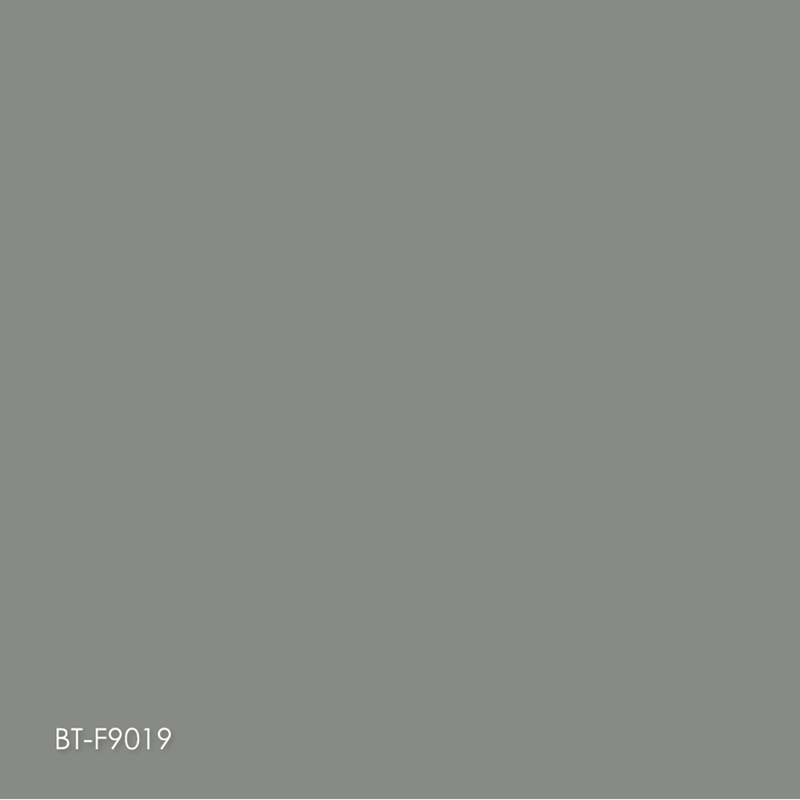
Grey is popular for modern and industrial designs. Light greys create a calm, understated atmosphere, while darker greys add sophistication and depth. Grey tones pair well with metal, concrete, and wood, making them ideal for kitchens, offices, and bedroom wardrobes. Grey PET film also resists visible fingerprints better than pure black, making it practical for high-touch surfaces.
Black and Deep Colors
Matte black, charcoal, navy, and dark green are strong visual statements. These shades create a luxurious, dramatic look commonly seen in modern kitchens and premium furniture design. Although bold, they work well as accent colors on cabinet doors, feature walls, or display units. BIYT’s dark-tone PET film options offer scratch resistance and color stability that keep deep colors looking elegant over time.
Warm and Earthy Tones
Warm browns, terracotta, sand, and tan tones bring comfort and coziness, making them ideal for living rooms, dining areas, and bedroom cabinets. These shades work particularly well with natural wood, fabrics, and warm lighting. They create a welcoming environment while maintaining a contemporary feel.
Pastels and Soft Colors
Soft green, gentle blue, pastel pink, and lavender are ideal for children’s rooms, study rooms, or spaces requiring a relaxed atmosphere. These shades support creativity and calmness while adding personality without overwhelming the space. PET film in pastel tones provides better durability than traditional painted surfaces in high-use environments.
Bold Accent Colors
Red, yellow, teal, and vivid blues add energy and create focal points. They are more commonly used in commercial décor, retail displays, or creative studios. When used sparingly in residential spaces, bold colors can highlight a particular functional area, such as a coffee bar cabinet or a statement wall.
Common Questions About Choosing the Right Solid Color Film Shade
Because color selection is deeply connected to interior design, customers often ask practical questions before committing to a final shade. Below are some common concerns and explanations to guide decision-making.
How can I avoid choosing a color that looks different in real use?
Always check samples under actual room lighting. solid color pet film maintains consistent color, but lighting drastically changes perception. Test a sample on the substrate and evaluate it during different times of the day.
Can I mix multiple solid color films in the same space?
Yes. Combining colors can create depth and visual interest. Neutral colors can be paired with accent shades, while two-tone cabinets add modern contrast. The key is maintaining balance—avoid using several unrelated tones in one area.
Which film finish should I choose: matte or glossy?
Matte offers a soft, elegant look and hides fingerprints.
Glossy creates a modern, reflective surface with strong visual impact.
Choose based on the room’s purpose and the desired aesthetic effect.
How do I select a shade that stays timeless?
Neutral colors such as white, grey, beige, and soft taupe tend to stay relevant across design trends. They also increase design flexibility because they blend well with new furniture or décor updates.
Are darker shades harder to maintain?
Darker colors may show dust or fingerprints more easily, especially with glossy finishes. Choosing a matte dark tone or cleaning regularly can reduce visibility. PET film is easy to wipe clean compared with painted surfaces.
Can solid color film imitate the effect of painted surfaces?
Yes. High-quality PET film provides more consistent results than paint, avoids streaks, and maintains color stability over time. It also offers better scratch resistance and moisture protection, making it a superior option for many furniture and wall applications.
Summary
Choosing the right solid color film shade requires understanding lighting, interior style, surrounding materials, and the emotional tone you want the space to reflect. Whether aiming for a minimalist white, a bold dark tone, a soft pastel, or a warm earth shade, solid color PET film provides stable color, refined surface quality, and long-term durability.
BIYT’s solid color PET film offers a broad selection of shades, excellent surface performance, and reliable lamination quality, making it ideal for cabinetry, wall panels, wardrobes, furniture, commercial interiors, and creative décor projects. With the right shade selection and thoughtful coordination, solid color film can enhance any space with lasting beauty and modern elegance.