


Why Is Wood Grain Important in Furniture Design?
Wood grain plays one of the most defining roles in furniture design because it shapes the emotional, visual, and tactile identity of the furniture itself. Whether found in natural timber or reproduced through advanced surface films, wood grain immediately communicates style, quality, and craftsmanship. The direction, pattern, depth, and color variations within the grain influence how furniture interacts with surrounding décor, light, texture, and visual atmosphere. In modern manufacturing, designers rely on engineered alternatives such as BIYT’s Woodgrain PET Film to replicate the organic beauty of real wood while achieving greater durability and consistency. To understand why wood grain remains timeless and essential in furniture design, it is important to explore its aesthetic impact, design flexibility, functional benefits, and role in modern interior environments.
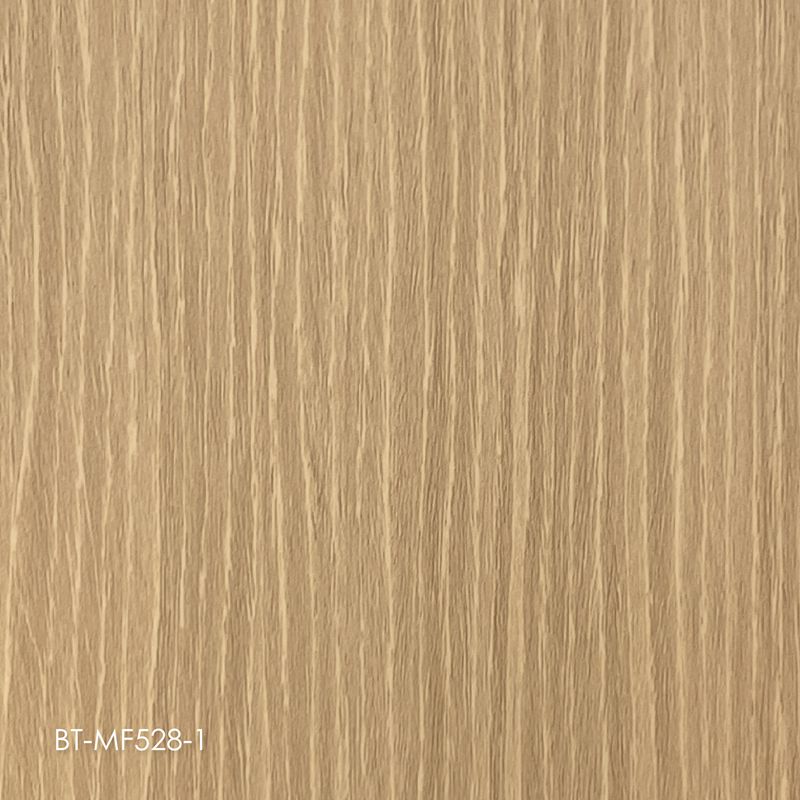
1. Wood Grain Defines the Visual Character of Furniture
Wood grain is central to how furniture looks because it determines the natural pattern dynamics that make each surface engaging. Designers use grain direction, contrast, and tone to create visual balance or dramatic emphasis. Even small grain variations affect the perception of warmth, luxury, and style.
The depth and movement within the grain influence how light reflects across panels, creating natural highlights and shadows. This dynamic quality gives wood its organic appeal, making even simple furniture feel more inviting and sophisticated. A straight-grain surface provides a clean, modern look suitable for minimalist environments, while a flowing grain pattern brings artistic energy ideal for classic or rustic interiors.
High-quality decorative films like BIYT’s Woodgrain PET Film replicate these visual elements with high-definition clarity, ensuring that furniture panels maintain consistent grain aesthetics across large surfaces—something difficult to achieve with natural wood.
visual effects Provided by Wood Grain
Creates depth and natural movement
Enhances the identity and style of furniture
Influences perceived warmth and elegance
Helps define modern, rustic, vintage, or luxury themes
Adds richness without needing complex designs
Because furniture plays a crucial visual role in interiors, wood grain becomes an essential tool for shaping the emotional tone of a space.
2. Wood Grain Enhances Texture and Tactile Experience
Beyond appearance, wood grain contributes to the tactile identity of furniture. Texture plays a major role in how users emotionally connect with a piece of furniture. Smooth grain offers a refined surface experience, while embossed or deep-grain patterns create a more natural and handcrafted feel.
In premium designs, touch is just as important as visual appeal. When customers interact with textured surfaces—whether natural wood or advanced pet film—they sense quality, craftsmanship, and authenticity. Woodgrain PET Films with embossed finishes allow furniture manufacturers to simulate real wood textures, offering both sensory satisfaction and durability.
Types of Tactile Effects Influenced by Wood Grain
Fine Grain Texture
Ideal for modern minimalist designs.Deep Embossed Grain
Creates a realistic wood-like feel suitable for rustic and classic furniture.Soft-Matte Texture
Popular in luxury interiors requiring a premium touch.Smooth High-Gloss Grain
Adds contemporary elegance while retaining wood-like pattern depth.
The tactile quality enhances the perceived value of furniture. BIYT’s advanced embossing technology ensures that its Woodgrain PET Film accurately reproduces the sensory richness of natural wood.
3. Wood Grain Supports Versatile Design Styles
One of the main reasons wood grain is essential in furniture design is its versatility. Wood grain can adapt to a wide range of interior styles—from Scandinavian minimalism to luxury modernism, farmhouse rustic, or Japanese simplicity.
Different grain patterns instantly shift the personality of a room. Light-toned grains create openness and serenity, while darker, richer grains introduce depth and sophistication. Designers rely on grain variation to coordinate furniture with architectural elements such as flooring, wall panels, and decorative accents.
Style Compatibility Table
| Interior Style | Suitable Wood Grain | Effect on Space |
|---|---|---|
| Scandinavian | Light oak, straight grain | Clean, airy, calm |
| Modern Luxury | Dark walnut, bold grain | Rich, elegant, dramatic |
| Minimalist | Smooth matte grain | Simple, balanced |
| Rustic | Deep embossed, knotty grain | Warm, natural, earthy |
| Contemporary | Fine grain, subtle contrast | Stylish and sleek |
High-performance films like BIYT’s Woodgrain PET Film offer multiple colors and grain styles that match these trends, enabling designers to maintain consistency across entire furniture collections.
4. Wood Grain Improves the Depth, Balance, and Harmony of Furniture Panels
Wood grain enhances the structural aesthetic of furniture by improving the sense of depth and balance. A natural-looking grain creates a visual rhythm that makes the furniture panel feel complete, intentional, and refined. Grain direction affects how the panel interacts with surrounding furniture, making it a powerful design element.
How Wood Grain Contributes to Balance and Depth
Directionality
Horizontal grain widens the visual profile of cabinets or wardrobes.
Vertical grain makes tall furniture appear slimmer and more elegant.Contrast and Tone Variations
Subtle grains soften large surfaces, while bold grains create focal points.Panel Harmony
Consistent grain alignment across panels ensures a unified look.Depth Through Pattern Movement
Grain swirls and curves add dimensional layers to otherwise flat surfaces.
The ability to control these elements gives designers more creative freedom. With Woodgrain PET Film, the grain pattern can be printed with exceptional precision, ensuring perfect alignment and symmetry across multi-panel systems like sliding wardrobes or modular cabinets.
Grain Direction Table
| Grain Direction | Best Use | Visual Effect |
|---|---|---|
| Horizontal | TV cabinets, long sideboards | Expands width |
| Vertical | Wardrobes, tall cabinets | Enhances height |
| Diagonal | Decorative panels | Adds dynamic movement |
| Mixed | Modern artistic furniture | Creates visual complexity |
This flexibility makes wood grain indispensable in creating aesthetically balanced furniture.
5. Wood Grain Adds Natural Warmth and Emotional Value
Beyond visuals and texture, wood grain adds emotional value to furniture. Natural patterns evoke feelings of comfort, tranquility, and organic beauty—qualities that synthetic materials often struggle to replicate. People instinctively connect to wood because it represents nature, growth, and stability.
Wood grain softens modern interiors dominated by metal, glass, or concrete. It helps balance the coldness of minimalistic or industrial environments, making spaces feel more welcoming. Even in contemporary designs, wood grain prevents furniture from appearing overly sterile.
Emotional Benefits of Wood Grain
Creates a sense of warmth and natural harmony
Adds personality and uniqueness to a space
Balances artificial and modern materials
Encourages relaxation in living spaces
Enhances the psychological comfort of interior environments
High-quality surface films such as BIYT’s Woodgrain PET Film retain these emotional qualities while offering superior stability, durability, and ease of maintenance compared with natural wood veneers.
Summary
Wood grain is a fundamental component of furniture design because it enhances visual aesthetics, tactile experience, emotional comfort, and design versatility. It shapes the personality and structure of furniture panels, providing depth, warmth, direction, and artistic character. Whether used in traditional or modern interiors, wood grain enriches every piece by adding natural charm and visual sophistication.
Advanced surface technologies such as BIYT’s Woodgrain PET Film replicate the beauty of natural grain with precision, durability, and environmental benefits. This allows modern furniture to achieve both high-end appearance and long-lasting performance without relying on expensive or limited natural timber resources.
Wood grain’s ability to elevate interior spaces—by balancing aesthetics, harmony, and tactile richness—ensures it will continue to be one of the most important elements in furniture design for years to come.