

How to Choose the Right Woodgrain PET Film Color and Texture?
Woodgrain PET Film has become a widely used solution for modern interior decoration, furniture renovation, and architectural surface upgrading. Its realistic wood patterns, stable performance, and easy installation make it an ideal alternative to real wood veneer. Whether upgrading kitchen cabinets, refreshing wall panels, designing furniture, or developing decorative building materials, selecting the right woodgrain pet film color and texture is crucial for achieving the desired visual and functional results. This guide explains how to make informed choices, how color and texture influence interior spaces, and why BIYT’s advanced nanofilm production ensures consistency and design flexibility.
BIYT provides high-quality woodgrain PET films engineered for décor applications. With stable printing performance, durable surface coating, and lifelike wooden textures, our films support everything from home décor to commercial-grade furniture manufacturing.
Understanding the Purpose Behind woodgrain pet film Selection
Before choosing a color or texture, it is important to clarify the purpose of the installation. The needs of a home interior project differ from those of retail displays or large-scale furniture production. In residential environments, tone, warmth, and overall atmosphere matter most. In commercial settings, abrasion resistance and color stability under lighting become key considerations.
Woodgrain pet film is used widely for wall panels, wardrobe doors, kitchen cabinets, furniture boards, door skins, and decorative partitions. Each application places different demands on gloss level, grain clarity, embossed texture, and long-term color retention. BIYT designs its films to handle varying lighting environments, frequent cleaning, and temperature changes while preserving the fidelity of the printed grain.
The Relationship Between Color Tone and Interior Atmosphere
Color selection is one of the most influential decisions in choosing woodgrain PET film. Warm colors and cool colors evoke different emotions and dramatically affect visual perception.
Light-colored woodgrain films tend to brighten interiors. They help small rooms appear more spacious, making them popular in minimalist, Scandinavian, and Japanese-style designs. These tones highlight cleanliness and calmness and pair well with white or neutral décor.
Medium-toned wood patterns provide balance by offering a comfortable blend of warmth and definition. Offices, hotel rooms, and modern homes frequently use such tones because they suit a wide range of furniture and lighting conditions.
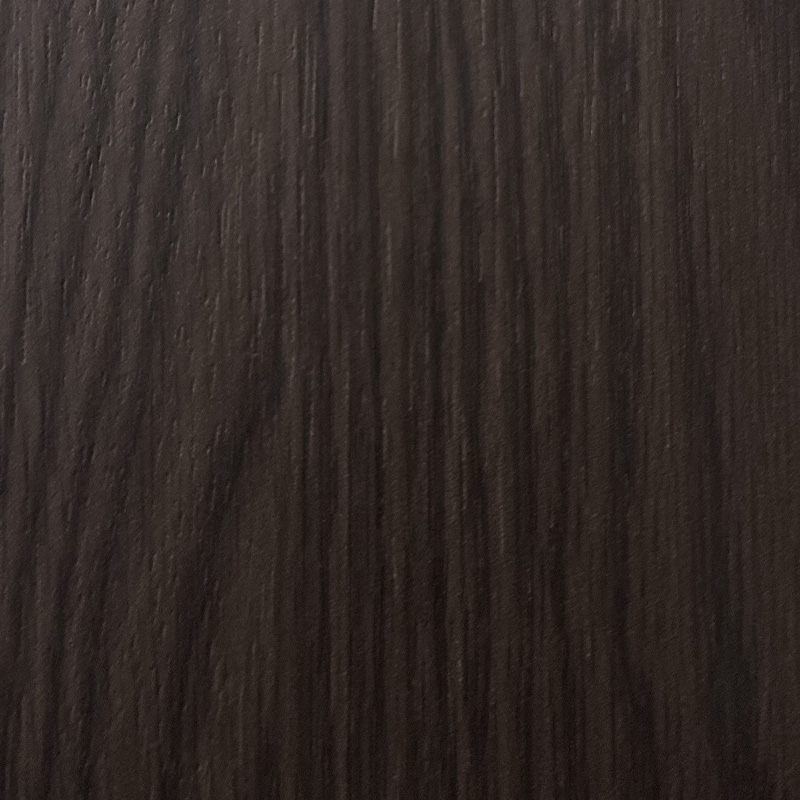
Dark woodgrain films create a sense of elegance and depth. They are often chosen for luxury environments, statement furniture, or interior partitions that aim to express sophistication. These tones absorb more light, so designers typically combine them with reflective surfaces or ambient lighting.
Comparing Texture Types and Their Visual Effects
Texture contributes significantly to the authenticity of woodgrain PET film. Smooth finishes produce a refined, modern appearance, while embossed textures introduce a tactile dimension.
Below is a comparative overview of commonly used texture types:
| Texture Type | Visual Characteristic | Suitable Applications |
|---|---|---|
| Smooth Matte | Low gloss, subtle elegance | Kitchen cabinets, minimalist décor |
| Semi-Gloss Brushed | Moderate shine with soft wood lines | Furniture boards, wardrobe doors |
| Deep Embossed | Strong tactile grain, high realism | Feature walls, premium furniture panels |
| Pore-Structured Woodgrain | Mimics natural pores of hardwood | Interior doors, hotel décor, luxury projects |
| High-Gloss Woodgrain | Bright reflective finish | Commercial displays, accent panels |
Selecting a texture requires evaluating how much realism is needed, the lighting conditions, and the surface’s role in the interior environment. BIYT’s woodgrain PET film offers multiple finishes, each engineered for color durability and structural stability.
Matching Woodgrain PET Film With Interior Styles
Successful décor projects rely on harmony between material appearance and the design style. Woodgrain PET films come in a wide spectrum of hues and patterns that correspond to stylistic preferences.
Modern interiors often favor light ash, clear maple, or straight-grain oak textures. These provide minimal visual clutter and encourage a sense of openness. Transitional spaces may use balanced brown tones or fine-grain walnut designs, offering both warmth and refinement. For luxury-oriented spaces, deep walnut, mahogany tones, or richly embossed grains emphasize richness and maturity.
In commercial interiors—such as retail stores, cafés, and hotels—the choice depends on brand identity and practical concerns. High-traffic areas may require scratch-resistant coatings and deeper textures to mask fingerprints or minor surface wear. BIYT formulates film coatings specifically to maintain appearance consistency under repeated maintenance.
Evaluating Lighting Conditions Before Choosing a Film
Lighting significantly influences how woodgrain PET film color appears. Natural daylight can highlight subtle grain variations, while warm artificial lighting brings out red or yellow undertones. Cool white lighting can intensify grey or neutral patterns.
A good practice is to examine film samples under different lighting scenarios:
Near windows to observe daytime appearance
Under warm LED lights used commonly in homes
Under commercial-grade lighting for retail or office environments
Woodgrain PET film colors may appear more saturated in low light and softer in bright environments. BIYT’s printing technology ensures color consistency even when applied across large panel areas that receive uneven lighting.
Determining Gloss Level Based on Function and Aesthetics
Gloss level influences both appearance and practicality. High-gloss woodgrain PET films provide shine but may show fingerprints more easily. Matte surfaces hide imperfections but create a softer, more muted look.
Here is how to approach gloss selection:
High Gloss: Good for contemporary luxury décor and retail displays
Semi-Gloss: Versatile and suitable for most furniture applications
Matte: Ideal for kitchens, offices, and minimalist spaces
Gloss levels also affect how grain lines appear. Matte films highlight natural lines, while gloss films accentuate color depth. BIYT maintains uniform gloss distribution through controlled coating processes, preventing glare patches or dull spots.
Considering Durability Requirements
Different installations require different levels of durability.
Kitchen surfaces often face moisture, heat, and cleaning chemicals. This calls for woodgrain PET films with reinforced coatings, stable adhesion, and resistance to warping. Wardrobes and interior doors require strong scratch resistance to withstand daily handling. Wall panels benefit from UV stability to prevent fading.
BIYT’s woodgrain PET films are engineered with:
Excellent dimensional stability
Anti-scratch surface technology
UV-resistant color systems
Heat-safe polymer layers for long-term use
These attributes ensure the film remains visually consistent despite environmental challenges.
Grain Direction and How It Impacts Visual Flow
Grain orientation is often overlooked but essential in design. Horizontal grains can make walls appear wider, while vertical grains enhance the sense of height. Furniture manufacturers use grain direction to modify perception and integrate visual rhythm into the space.
Coordinated grain direction across cabinetry, doors, and panels significantly contributes to visual harmony. BIYT provides rolls and sheets with stable grain repetition, ensuring seamless appearance between segments.
Practical Factors: Installation, Substrate, and Maintenance
Choosing the right film also means considering installation needs. Woodgrain PET film must adhere well to substrates such as MDF, particleboard, PVC foam board, and metal panels. The quality of the film’s backing and coating influences installation ease, bubble resistance, and long-term adhesion.
BIYT ensures smooth application by using optimized coating structures that enhance flexibility and reduce the risk of cracking during bending or wrapping.
Maintenance expectations also matter. Films with deeper embossing may trap dust, requiring more frequent cleaning. Smooth matte finishes are easier to maintain in busy households or commercial areas.
How to Use Sample Testing to Make the Best Selection
Sample testing before full-scale installation helps evaluate:
Color accuracy
Grain realism
Texture comfort
Adhesion behavior
Reaction to cleaning agents
Appearance under varied lighting
Testing ensures that selected woodgrain PET film aligns with project requirements. BIYT provides stable batch-to-batch color consistency so clients can rely on uniform performance from small samples to full production.
Conclusion
Selecting the right woodgrain PET film color and texture involves balancing aesthetics, practicality, and compatibility with the intended environment. By examining color tone, grain type, gloss level, lighting impact, and durability, designers and manufacturers can achieve both visual appeal and long-term performance.
BIYT’s advanced woodgrain PET film series provides a wide variety of colors and textures built on stable nanofilm technology. Whether for residential décor, commercial renovation, or furniture manufacturing, BIYT ensures high-quality printing, reliable coating durability, and authentic wood appearance.
With careful selection and proper evaluation, woodgrain PET film becomes a powerful tool for creating modern, attractive, and durable interior spaces.