

What Are the Applications of PET Film?
Polyethylene terephthalate (PET) film has become one of the most versatile and widely adopted materials across industries due to its excellent mechanical strength, dimensional stability, chemical resistance, and clarity. As manufacturing technologies advance, pet film has expanded far beyond basic packaging and now plays a crucial role in electronics, home décor, industrial lamination, and protective applications. Understanding its diverse uses helps manufacturers, designers, and material buyers choose the correct grade for their needs.
At BIYT, we specialize in high-performance nanofilm production, offering decorative pet films, functional PET films, and engineered surface materials through our full PET film product range. These films support applications such as wall renovation, furniture lamination, surface protection, reflective systems, and custom industrial processes.
Why PET Film Is Used Across So Many Industries
PET film stands out for its balance of clarity, stiffness, heat resistance, and barrier performance. In industrial environments, it maintains structural stability under temperature changes and resists deformation. Its excellent dielectric properties make it suitable for electronics, while its surface accepts inks, adhesives, and coatings, enabling creative and technical applications.
Another reason for its widespread adoption is recyclability. PET is one of the most recyclable plastics in the world, contributing to sustainable product development in packaging, décor, and manufacturing. BIYT improves this sustainability advantage by developing high-efficiency coating systems that extend film lifespan and minimize waste.
PET Film in Packaging and Labeling
Packaging remains one of the largest application categories for PET film. Its transparency, gloss, and strength make it ideal for food and consumer goods, while its dimensional stability ensures labels remain flat and readable.
PET film in packaging provides:
Strong barrier against moisture and oxygen
Resistance to tearing and puncture
Compatibility with printing methods and laminating adhesives
Although BIYT focuses more on engineered and decorative films rather than food packaging, many of the core technologies—such as surface curing, nanocoating, and film stabilization—are shared across the industry. These advancements contribute to durable film performance in lamination, protective coverings, and architectural décor.
PET Film for Home Decoration and Interior Renovation
One of the fastest-growing uses for PET film is interior décor. Modern renovation projects seek materials that provide aesthetic quality, fast installation, and long-term durability. PET film meets these needs with realistic textures, stable color systems, and a protective surface coating.
Decorative categories often include:
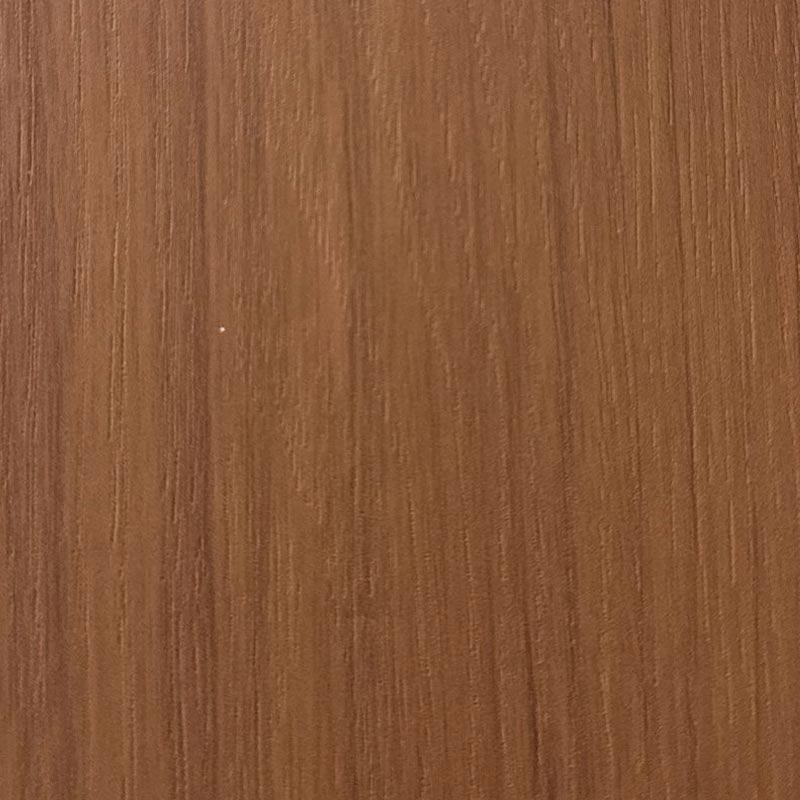
Woodgrain textured films
Marble and stone pattern films
Metalized reflective PET films
BIYT produces advanced interior-grade décor films that support wall renovation, furniture panel lamination, cabinet upgrades, and decorative templates. Our woodgrain PET films, solid color films, and metalized films are engineered to resist scratches, cleaning chemicals, and UV exposure, ensuring long-lasting appearance in high-use environments.
PET Film in Furniture Manufacturing
Furniture producers increasingly rely on PET film as an alternative to traditional veneer, PVC foil, or melamine paper. PET film offers greater environmental stability and a more refined surface finish. Its durability helps maintain panel aesthetics even in commercial spaces such as hotels, offices, and retail stores.
Furniture applications include:
Lamination on MDF, particle board, and HDF
Door skins and wardrobe panels
Cabinet surfaces for kitchens and bathrooms
Decorative trims, moldings, and overlays
Since PET film can be embossed, printed, or metallized, manufacturers can create hundreds of design variations without changing substrate materials. BIYT’s nanofilm production ensures repeatable color accuracy for large-scale furniture programs.
Electrical and Electronic Applications
In electronics, PET film is used for its dielectric strength, heat resistance, and dimensional stability. It serves both as an insulation material and a protective layer for sensitive components.
Common electronic applications include:
Insulating layers in motors and transformers
Flexible printed circuits
Display backlight diffusers
Capacitor films
Battery insulation wraps
Metalized PET Film also plays a role in reflective light management inside electronic displays, LED lighting modules, and optical equipment.
While BIYT specializes in décor-oriented PET films rather than electronic insulation, the base materials we use share similar technical capabilities, such as strong tensile properties and consistency under heat.
PET Film as a Surface Protection Material
PET film is frequently applied as a protective layer for surfaces during transportation, installation, or manufacturing. Its resistance to scratching and tearing ensures that finished goods remain intact.
Protection film applications can include:
Guard layers on stainless steel sheets
Protective covering for acrylic or polycarbonate panels
Film for flooring materials during installation
Temporary shielding on electronics and appliances
High-clarity PET film is valued for these tasks because it does not leave residue when removed. In décor applications, BIYT’s films incorporate surface coatings that enhance scratch resistance, eliminating the need for external protective layers on furniture panels.
PET Film in Printing, Advertising, and Graphics
The printing industry uses PET film because it delivers excellent ink adhesion, dimensional accuracy, and image sharpness. PET material remains flat, allowing for precise registration even across large print surfaces.
Typical printing uses include:
High-resolution signage and window graphics
Display panels
Backlit lightbox films
Promotional packaging sleeves
These printing characteristics are also utilized in BIYT’s decorative films, where realistic wood textures, solid colors, and metallic patterns rely on fine printing control to reproduce subtle visual details.
PET Film for Industrial Lamination and Composite Materials
Many composite materials use PET film as a reinforcement layer or barrier due to its mechanical and chemical properties. It works effectively with adhesives and coatings, enabling manufacturers to engineer high-performance laminates.
Industrial lamination applications include:
Construction panels
Automotive interior skins
Solar panel backsheet components
Functional barrier layers in flexible packaging
Waterproofing or corrosion-resistant wraps
BIYT develops PET films designed specifically for architectural laminates and decorative surfaces, allowing builders and manufacturers to integrate aesthetically consistent and functionally stable films into composite materials.
Comparison of PET Film Uses Across Industries
A simplified table helps illustrate the diversity of PET film applications:
| Industry | Key PET Film Use | Performance Requirements |
|---|---|---|
| Interior Decoration | Wall panels, furniture lamination | Color stability, scratch resistance, texture realism |
| Electronics | Insulation, displays, components | Heat resistance, dielectric strength |
| Packaging | Food wrap, sealing, labels | Barrier properties, clarity |
| Advertising & Graphics | Print films, signage, display panels | Ink adhesion, dimensional stability |
| Construction | Composite layers, protective coverings | Durability, chemical resistance |
| Automotive | Interior skins, protective layers | Flexibility, heat resistance |
This diversity demonstrates why PET film continues to expand in global markets.
How BIYT Enhances PET Film Performance for Modern Applications
While PET film is already strong by nature, its usefulness depends heavily on manufacturing precision. BIYT’s expertise lies in nanofilm development, advanced coating processes, and high-accuracy printing.
Across our product lineup, BIYT enhances film performance in several ways:
Multilayer coating systems improve scratch and wear resistance
UV-stabilized formulations protect decorative colors from fading
Precise embossing delivers realistic textures for woodgrain and matte films
Environment-friendly lamination methods support sustainable production
Metalizing and optical layering achieve uniform light reflection
Our films are developed specifically for décor, renovation, and industrial surface applications, allowing clients to choose materials tailored to their project requirements.
Conclusion
PET film stands out as a multi-industry essential thanks to its combination of strength, clarity, stability, and adaptability. From decorative surfaces to industrial composites, from printing to electronics, PET film provides performance advantages that few other materials can match. The range of applications continues to grow as manufacturing techniques evolve and designers seek lighter, more sustainable materials with high aesthetic potential.
BIYT continues to advance PET film technology through nanofilm research, innovation, and high-precision production. Our PET film products support decoration, renovation, lamination, and specialty industrial uses, offering consistent quality for manufacturers, builders, and designers.
By choosing the appropriate PET film type, industries can achieve stronger performance, improved durability, and refined visual results across countless applications.