

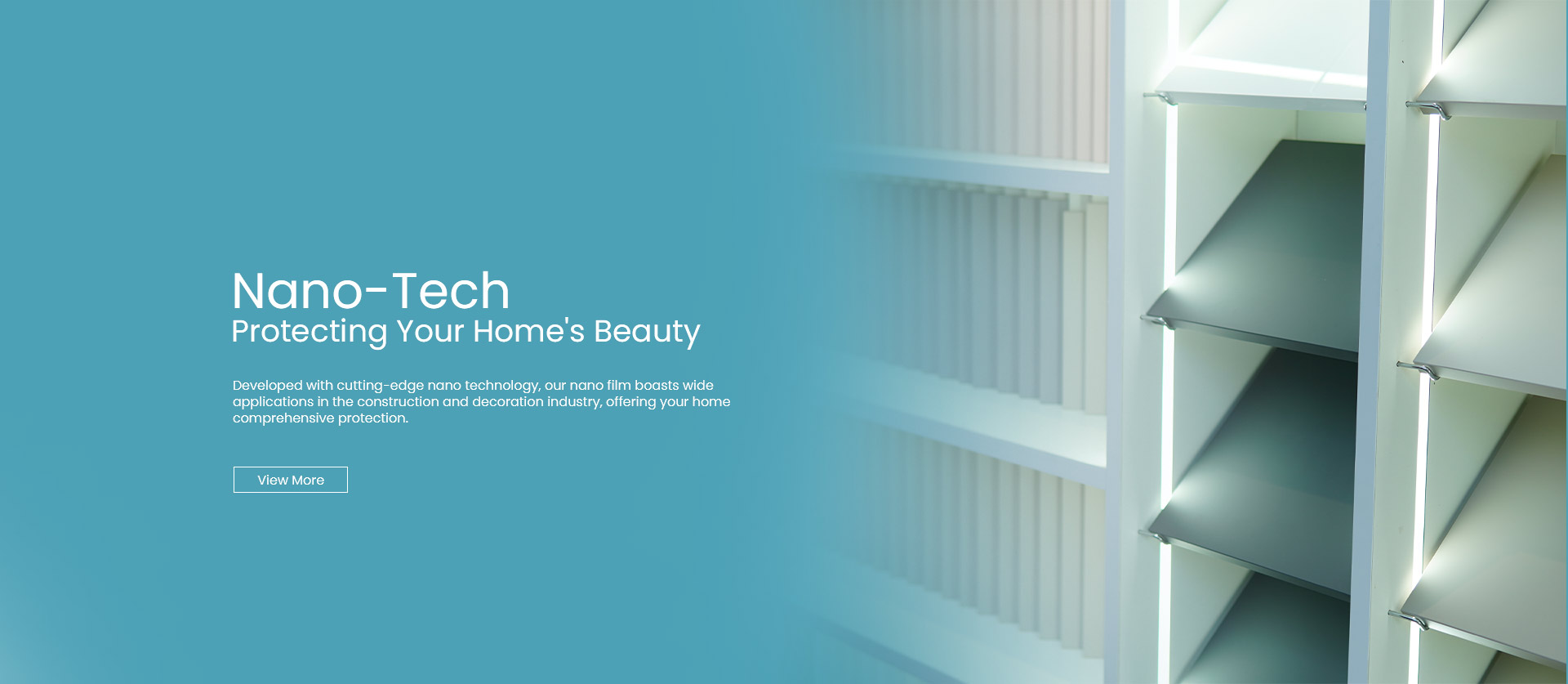
Why Are PET Decorative Films Becoming the New Favorite in the Home Decoration Market?
In the past, many home decoration projects relied heavily on painted surfaces, PVC foils, or high-pressure laminates to achieve a “finished” look. Today, the market is shifting toward cleaner production, more stable aesthetics, and faster project delivery. pet decorative films are rising quickly because they match how modern interiors are designed, manufactured, and maintained: they provide consistent visual quality, support diversified styles, and fit panel lamination workflows that many furniture and interior factories already use.
For buyers, the question is no longer whether pet films are “good-looking,” but whether they can reliably deliver a premium surface finish at scale without bringing complicated maintenance or unstable quality. This is exactly where BIYT focuses its strength. BIYT supplies PET decorative films developed with a long-term manufacturing perspective, offering OEM and ODM support, customized logo service, roll packaging for efficient shipment, and quality verification through SGS certification. You can review our range here: BIYT PET decorative films.

1. Home Decoration Trends Are Pushing Materials Toward “Stable Beauty,” Not Just Short-Term Style
The home decoration market is becoming more standardized and more demanding at the same time. Interior designers want richer surfaces and refined details, but developers and contractors want predictable lead times and fewer callbacks. PET decorative films fit this direction because they can deliver stable appearance across repeated production, making them suitable for both residential upgrades and commercial interiors.
Another reason PET is gaining attention is the changing consumer mindset. People care more about the “living experience” after installation: how the space looks under different lighting, how surfaces resist daily wear, and whether the home feels comfortable rather than “chemically heavy.” pet film solutions are often selected because they help brands and factories offer modern finishes with a production-friendly process.
2. PET Decorative Films Support the Biggest Style Demand: Variety Without Chaos
A major challenge in the home decoration market is that style is changing faster than production lines. Consumers want more options in color tone, texture direction, and surface effect, while manufacturers need materials that can be produced and matched consistently across multiple batches.
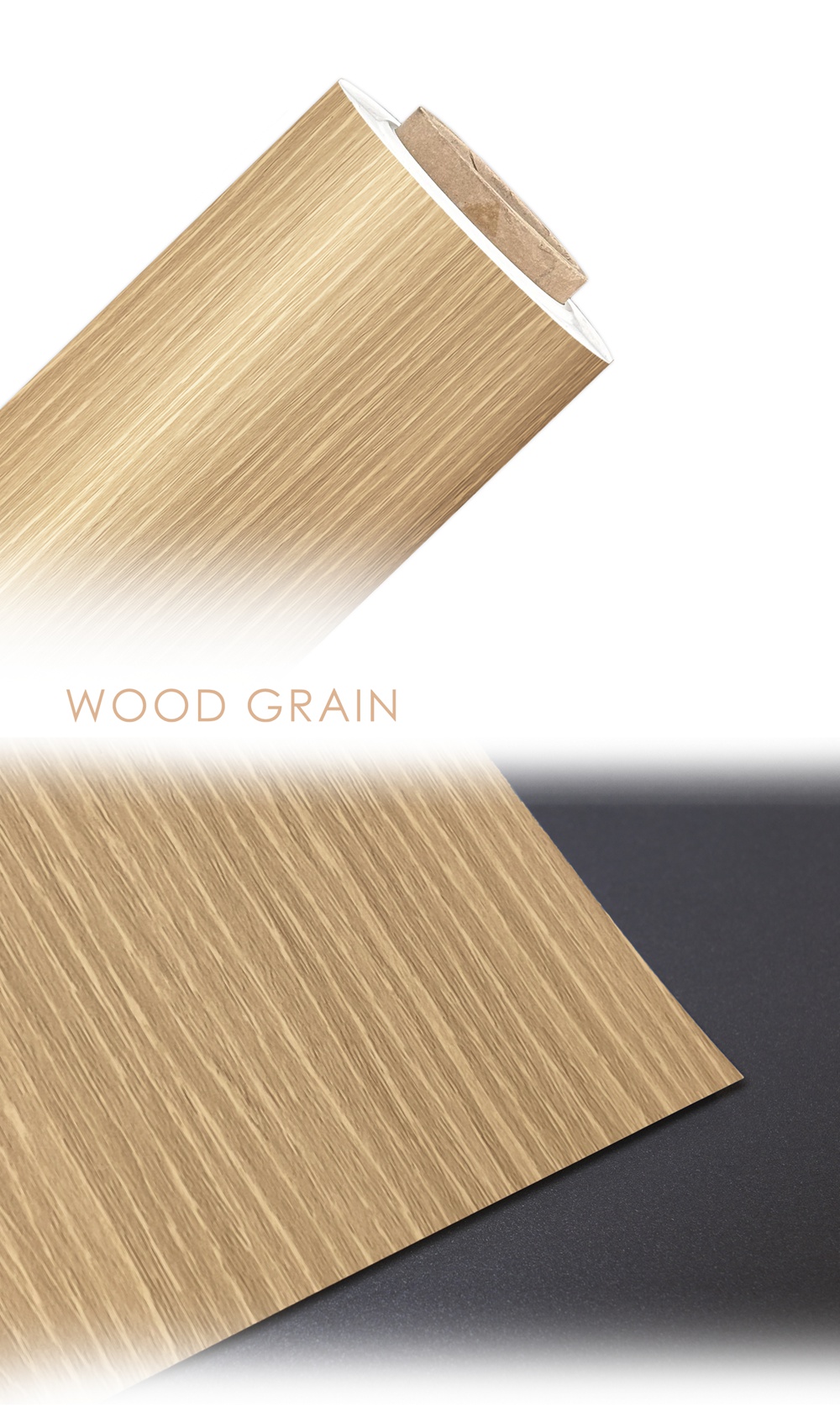
PET decorative films are increasingly favored because they naturally support variety and diversity in design selection. From minimal matte looks to more textured, layered visual effects, PET films can help brands create a unified product family while still offering multiple design routes. For panel-based furniture programs, this matters because customers often want coordination across doors, side panels, and decorative wall elements without obvious mismatch.
BIYT’s material development approach emphasizes variety with control. Instead of only adding patterns, we focus on making finishes easier to standardize in real production so customers can build stable collections, not just “good samples.”
3. Why PET Feels More “Premium” in Modern Interiors
In home decoration, “premium” is not a marketing word. It is an outcome that people can see and touch: clean surface, consistent gloss, and visual calm under indoor lighting. PET decorative films are becoming a favorite because they can help manufacturers achieve that calm and refined visual effect while keeping production efficiency.
For many interior surfaces, the key is not extreme shine but controlled appearance. PET decorative films can be engineered to deliver a balanced finish that works well in kitchens, living rooms, offices, and retail interiors. This gives designers more confidence when specifying materials for different spaces, especially when projects require coordinated finishes across large visible areas.
4. Chemical Stability and Long-Term Use Matter More Than Many Buyers Expect
One of the most practical reasons PET decorative films are growing in popularity is chemical stability. In real homes, surfaces meet daily challenges: cleaning agents, occasional spills, hand oils, and repeated wiping. Materials that look perfect in a showroom can quickly lose their appeal if the surface becomes patchy, dull, or difficult to clean.
PET decorative films are favored because they can be designed to maintain surface integrity during everyday maintenance. For manufacturers and project buyers, this reduces post-installation complaints and protects brand reputation. In commercial interiors, chemical stability is even more important because cleaning frequency is higher and surface exposure is more intense.
BIYT’s product direction aligns with this expectation by prioritizing stable surface behavior during practical cleaning routines, not just visual impact on the first day.
5. Tightness and Lamination Compatibility: The Manufacturing Advantage That Drives Market Adoption
Many “new favorite” materials fail because they cannot integrate smoothly into existing manufacturing. PET decorative films are rising because they match the process reality of modern factories: lamination on panels. When a material works well with lamination, it reduces rework, supports faster throughput, and improves batch stability.
BIYT PET decorative films are designed for laminate on panels, which is a key reason buyers choose PET films for furniture doors, wall panels, and decorative interior boards. In production, tightness matters because it affects how the film lays down on the substrate and how stable it remains through handling, packaging, and installation. A film that is visually good but unstable during lamination can create costly waste. That is why tightness and process stability are increasingly treated as purchasing priorities, not secondary details.
6. Flame Retardancy Is Becoming a Stronger Buying Trigger in Project Markets
While residential customers often focus on aesthetics and comfort, engineering projects and commercial spaces must also consider safety requirements. PET decorative films are being adopted more widely because certain solutions can align better with safety-focused procurement logic, including flame retardancy expectations in specific application environments.
In hospitality, retail, and office projects, materials are often selected not only by designers but also by project managers and compliance reviewers. When a decorative solution supports the conversation around safety performance, the approval process becomes smoother and the product is easier to specify across multiple project types.
BIYT’s product philosophy includes this market direction, combining decorative value with practical considerations that commercial buyers care about.
7. Why BIYT Is a Practical Partner for PET Decorative Film Sourcing
A material can be popular in the market, but buyers still need a supplier that can support real purchasing behavior: customization, labeling, consistent supply, and predictable logistics. BIYT is positioned to support professional sourcing with service details that match how importers, factories, and project buyers operate.
Here is how BIYT supports buyers beyond the surface finish:
OEM and ODM available, supporting product development, private label lines, and customized design requirements.
Accept customized logo, useful for distributors and brand programs.
Roll packaging, which is more efficient for transportation and storage in film supply workflows.
Shipment-oriented transportation planning, supporting export and cross-border supply requirements.
Large supply capability, helping buyers build stable programs rather than one-time purchases.
SGS certification, providing quality and safety verification support for professional procurement.
If you are building a PET film program for panel lamination, furniture surfaces, or interior decoration systems, you can explore BIYT’s product options here: BIYT PET decorative films.
Conclusion
PET decorative films are becoming the new favorite in the home decoration market because they sit at the intersection of design demand and manufacturing reality. They support diverse styles without losing production consistency, they match panel lamination workflows, and they respond to the market’s growing focus on stability, maintenance, and long-term surface performance.
For buyers, the smartest approach is to evaluate PET films not only by appearance, but also by process compatibility, supply capability, and quality documentation. BIYT focuses on these practical factors through stable manufacturing, OEM and ODM service, roll-based supply, and SGS-backed verification. When you are ready to compare options for your next program, start with BIYT products and align the finish with your target market and production method.