

Where Can Woodgrain PET Film Be Applied in Modern Furniture Design?
Modern furniture design demands more than a good-looking surface. It needs repeatable color, consistent texture, reliable processing during lamination, and durability that holds up to daily touch, cleaning, and long-term use. Woodgrain PET Film meets these expectations by combining realistic wood visuals with stable performance, making it a practical surface solution for furniture brands, panel manufacturers, and interior project suppliers.
Wood aesthetics remain central to contemporary design, yet many projects require tighter control over appearance and production consistency than traditional veneer can easily provide. Woodgrain pet film enables designers to deliver warm, natural-looking finishes while supporting streamlined manufacturing, scalable output, and dependable quality across large orders. BIYT offers woodgrain pet film options for furniture surfaces, and details can be viewed through woodgrain PET film.
Why Woodgrain pet film Fits Modern Furniture Trends
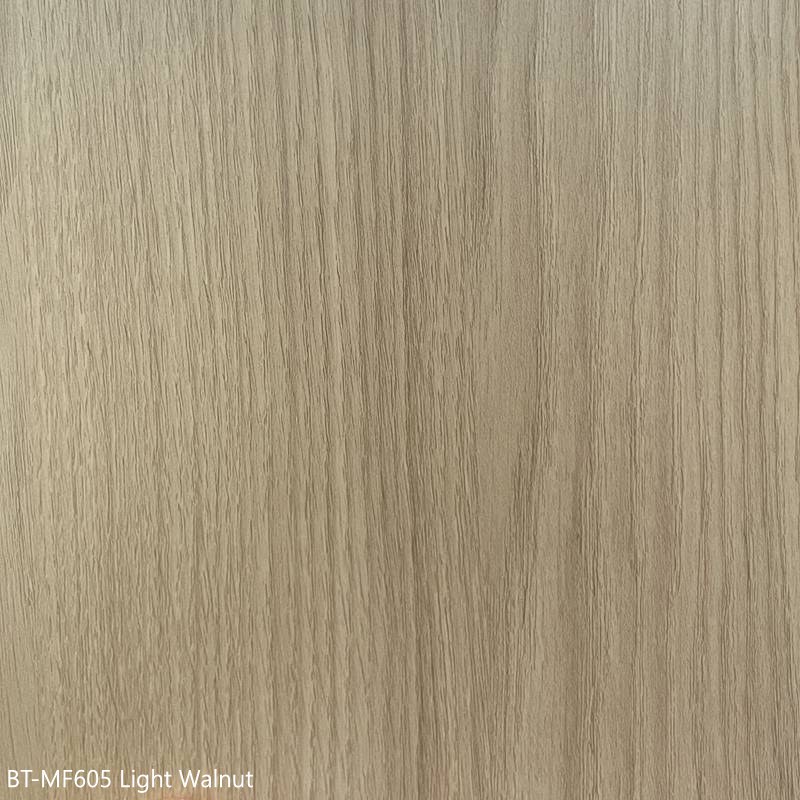
Modern furniture frequently uses clean geometry, large flat surfaces, and minimalist detailing. This makes the surface finish even more visible, especially under showroom lighting and in bright interior spaces. Woodgrain PET film supports high-definition patterns with controlled gloss and texture, allowing the grain to read as deep and realistic rather than flat.
Designers also increasingly mix materials, such as wood tones with matte metals, stone textures, or solid colors. Woodgrain PET film offers a consistent foundation for these combinations because its appearance remains stable across production batches. This helps maintain brand identity when the same wood tone is used across multiple product lines or repeated project deliveries.
Core Furniture Components Where Woodgrain PET Film Performs Well
Cabinet doors and drawer fronts
Cabinet fronts are among the most visually important surfaces in furniture. They are also high-touch zones, exposed to frequent cleaning, fingerprints, and scuffing. Woodgrain PET film is often used on these parts to deliver a uniform wood appearance, stable gloss, and consistent texture across multiple doors, which is essential for matched sets.
Design value comes from consistent grain flow and controlled reflectance, especially when doors are installed side-by-side. Manufacturing value comes from reliable lamination results and reduced surface variation that can cause mismatch complaints.
Side panels, end panels, and gables
Large side panels make or break perceived quality because they catch light across wide areas and reveal surface defects quickly. Woodgrain PET film supports large-panel consistency by maintaining uniform appearance across the sheet and through repeated runs. For modern furniture with broad, uninterrupted surfaces, this stability helps keep the finish clean, premium, and visually calm.
Tabletop surfaces and worktops
Tables and desks face abrasion from daily use, sliding objects, and repeated wiping. Woodgrain PET film is applied to tabletop surfaces when the design requires a wood look with dependable surface behavior. With correct grade selection and controlled lamination, the surface can retain its appearance longer and reduce issues such as uneven sheen change in contact zones.
Shelving and storage systems
Shelving systems demand surfaces that are consistent across multiple components, including shelves, uprights, and visible frames. Woodgrain PET film supports this modular design style by providing stable color and grain matching, helping furniture systems look coherent even when assembled from many parts.
Design Driven Applications in Contemporary Furniture Styles
Minimalist and Scandinavian inspired furniture
Light oak tones, soft matte finishes, and subtle grain patterns are common in minimalist and Scandinavian collections. These designs require restraint rather than dramatic contrast. Woodgrain PET film can be selected with refined grain detail and controlled gloss so surfaces remain soft and natural, avoiding a plastic-like shine that breaks the intended look.
Mid-century modern collections
Mid-century modern often uses warm walnut tones, linear grain direction, and clean silhouettes. Woodgrain PET film works well on wide planar surfaces and framed components where grain direction needs to remain coherent. Consistency is especially important here because mismatched tones can make a set look uncoordinated.
Contemporary luxury interiors
Luxury furniture frequently depends on deep-looking wood tones, precise edges, and premium hand-feel. Woodgrain PET film can support these expectations by combining realistic grain definition with surface texture options that reinforce the visual story. For luxury projects, consistency across production lots is a major value factor because replacement parts must match the original finish.
Functional Furniture Areas Where Performance Matters Most
Office furniture and commercial workstations
Office desks, credenzas, and workstation panels need surfaces that tolerate frequent contact and regular cleaning. Woodgrain PET film can be used on visible panels, drawer fronts, and desk surfaces to deliver a warm wood aesthetic while supporting stable performance in high-use environments.
Hospitality furniture
Hotels and serviced apartments often require large quantities of matching furniture, such as wardrobes, vanities, headboards, and side tables. Woodgrain PET film supports this scale by maintaining consistent appearance across many pieces, helping projects achieve uniform visual results across rooms, floors, and phased deliveries.
Retail fixtures and display furniture
Retail environments combine visual demands with abrasion and repeated handling. Woodgrain PET film is applied to display cabinets, shelving, counter surrounds, and fixture panels where the wood look supports brand atmosphere while the surface must withstand high interaction and frequent maintenance routines.
Where Woodgrain PET Film Adds Value Beyond Flat Surfaces
Wrapped profiles and edge details
Edges and corners often define furniture quality. When the surface finish remains clean around edges, the product reads as more premium. Woodgrain PET film is used in designs that require wrapped or finished edges, helping maintain continuity of color and grain around visible transitions. Correct process control is important to prevent distortion and to keep the grain looking natural around radius areas.
Headboards, decorative panels, and feature components
Modern furniture increasingly incorporates feature surfaces that serve as visual anchors, such as headboards, back panels, and decorative inserts. Woodgrain PET film works well here because it can deliver consistent wood tones and textures, supporting a unified design language across an entire furniture set.
Application Selection Guide for Designers and Buyers
The best application fit depends on how the part is used, how it is cleaned, and how visible it is under lighting. This table can help align design intent with practical requirements.
| Furniture Application | Design Goal | Key Performance Focus |
|---|---|---|
| Cabinet doors and drawer fronts | Uniform premium wood look | Scratch appearance control, cleanability, stable gloss |
| Side panels and gables | Clean large-surface appearance | Consistency across panels, low visual noise, stable lamination |
| Tabletops and desks | Wood look with daily usability | Abrasion behavior, wipe resistance, long-term appearance retention |
| Shelving systems | Matched modular components | Batch consistency, stable tone, dependable roll-to-roll performance |
| Hospitality case goods | Large-scale uniform delivery | Repeatability, supply consistency, color stability across lots |
| Retail fixtures | Warm atmosphere with durability | Scuff resistance, easy maintenance, consistent finish under lighting |
Process Considerations That Affect Final Appearance
Surface design success depends on how the film is converted and applied. Even the right pattern can look less realistic if the bonding layer introduces haze or if lamination pressure creates gloss variation. For furniture manufacturing, three areas deserve special attention.
First is substrate preparation. Dust, uneven surface energy, or roughness can cause surface defects that reduce depth and realism. Second is adhesive clarity and coating control, which influences how deep the grain appears. Third is process stability, including consistent temperature, tension, and pressure, which keeps gloss and texture uniform across the panel.
Woodgrain PET film is often selected because it supports stable processing when the production window is controlled, helping manufacturers protect the intended finish from sample approval through mass production.
How BIYT Supports Woodgrain PET Film Projects in Furniture
Modern furniture programs typically need repeatable color, consistent grain definition, and stable supply, especially when collections expand or projects require phased deliveries. BIYT supplies woodgrain PET film options suitable for furniture surface applications, helping buyers match film selection to design targets such as tone, grain character, texture feel, and gloss level.
Product information and selection details can be reviewed through woodgrain PET film.
Conclusion
Woodgrain PET film can be applied across modern furniture design wherever a realistic wood look must be paired with consistent production results and stable surface performance. Common applications include cabinet doors, drawer fronts, side panels, desktops, shelving systems, hospitality case goods, office furniture, and retail fixtures. It also supports design features such as wrapped edges and decorative panels, where surface continuity and appearance stability directly influence perceived quality.
By aligning film selection with the part’s visibility, touch frequency, cleaning profile, and manufacturing process, woodgrain PET film becomes a reliable tool for delivering warm, modern wood aesthetics at scale.