

Can Wood Grain PET Film Cover Old Furniture?
Yes, wood grain pet film can cover old furniture, and in many cases it is one of the most practical ways to refresh a worn surface without the dust, odor, and long curing times associated with repainting. The key is to treat it as a surface renovation system rather than a simple sticker. Old furniture usually has problems that affect bonding and appearance, such as wax residue, oil contamination, edge chipping, swollen particleboard, loose veneer, or uneven gloss. Wood grain pet film can deliver a clean, consistent decorative finish, but the result depends on surface preparation, defect repair, adhesive selection, and how the film is applied on corners and edges.
This article explains where wood grain PET film works well, where it needs extra preparation, how to plan a reliable covering process, and how to choose film specifications for a natural look and long service life. If you need to learn more about product specifications and application options, please browse our wood grain PET film page.
I. Why Wood Grain PET Film Is Used for Furniture Renovation
Old furniture typically fails visually before it fails structurally. The surface may be scratched, faded, stained, or chipped, while the frame is still usable. Traditional refinishing methods such as sanding and repainting can work, but they often bring disruption. They create dust, require ventilation, and rely heavily on operator skill to avoid brush marks, uneven gloss, and color variation.
Wood grain PET film offers a different approach. It provides a factory-controlled decorative layer with consistent pattern and gloss, then transfers that finish to the substrate through lamination or bonding. This can be especially useful when the goal is to change the look of a cabinet, wardrobe, table, or panel furniture quickly while keeping the structure. In manufacturing and renovation contexts, film-based finishing is often valued for consistency, cleaner processing, and the ability to standardize appearance across multiple pieces.
A wood grain film finish can also achieve a more uniform wood-look than trying to mimic grain with paint. When the pattern, tone, and surface texture are engineered into the film, the final appearance becomes repeatable, which is important for multi-room projects and product programs.
II. Which Old Furniture Surfaces Can Be Covered Successfully
Wood grain PET film performs best on stable, flat, and clean surfaces. Many furniture pieces meet this requirement after basic preparation, but the substrate type matters because it determines adhesion behavior and how defects will show through the new surface.
Surfaces that usually work well:
MDF and engineered board panels with intact structure and stable edges
Plywood and solid wood panels that are flat and not heavily contaminated with wax or oil
Laminated furniture surfaces that are still bonded firmly and are not peeling
Painted surfaces with good adhesion, after proper cleaning and light abrasion
Surfaces that require extra work:
Particleboard that has swollen from water damage, because the surface becomes uneven and weak
Loose veneer or bubbling laminate, because movement under the film will create visible telegraphing
Deeply textured surfaces, because the film may not lay flat and the pattern may look distorted
Greasy kitchen furniture, because oils can block adhesion and cause edge lifting
A useful rule is that film is a covering solution, not a structural repair. If the furniture is unstable, flexing, or breaking down internally, film will not solve that. It will follow the substrate shape and can even highlight defects if they are not corrected first.
III. How Long Wood Grain PET Film Can Last on Refurbished Furniture
When wood grain PET film is applied correctly on a stable surface, it can serve as a long-term finish. Its service life depends on abrasion exposure, cleaning routine, edge protection, and environmental conditions such as heat and humidity. A cabinet door face in a dry interior environment experiences very different stress than a tabletop that is wiped daily and exposed to heat and spills.
In practical use, longevity is usually determined by three areas:
Surface wear resistance from repeated touch, rubbing, and cleaning
Edge durability where corners and door edges experience impact and peeling risk
Adhesion stability over time through temperature and humidity cycling
This is why correct edge detailing matters as much as choosing a good film. Many renovation failures happen at edges first, not on the flat face. A well-planned edge strategy and compatible adhesive selection can make the difference between a short-term refresh and a durable, professional result.
IV. Preparation: The Step That Controls the Final Result
Covering old furniture is mostly about preparation. If the surface is not clean and flat, the film will not look like a new factory finish. It will look like a cover applied over old problems.
Preparation can be divided into four tasks:
Cleaning and decontamination
Old furniture often has silicone-based polish, wax, cooking oil, or hand grease. These residues reduce adhesion. Cleaning should remove oils and leave a neutral surface.Surface leveling
Scratches, dents, and chipped edges should be filled and sanded smooth. The goal is not perfection at the microscopic level, but a visually flat plane that will not telegraph through the film under side lighting.Edge repair
Broken corners and swollen edges are common in older cabinets. If edges are weak, the film will lift there first. Edge rebuilding and sealing is often necessary for reliable renovation.Dust control
Dust trapped during application can create bumps that are hard to correct later. Clean work habits and controlled handling improve appearance significantly.
The quality of preparation is usually visible in the final surface reflection. If a surface looks uneven before film, it will look uneven after film, often more clearly because the new finish is cleaner and more uniform.
V. Application Approaches and When Each One Is Used
There are different ways to apply wood grain PET film, and the right method depends on scale and furniture type. Some approaches are more suitable for factory renovation programs, while others suit small projects.
The main approaches include flat lamination, profile wrapping, and component-based replacement. Flat lamination is commonly used for panels and door faces. Profile wrapping becomes important when edges must be wrapped for durability and aesthetics. Component-based replacement is used when the old surface is too damaged, and the most efficient path is to replace the door skin or panel face while keeping the cabinet frame.
The decision is usually driven by geometry. Flat, rectangular panels are the easiest and most predictable. Curved profiles, deep grooves, and complex edges increase risk. For those designs, it becomes more important to select film with suitable formability and to control process parameters so the wood grain pattern does not distort.
If you need to learn more about film structure and application options for different panel types, please browse our wood grain PET film page.
VI. Edge and Corner Detailing
Edges are the most vulnerable zone in any furniture covering project. Most daily impacts happen at door edges, drawer fronts, and tabletop corners. Water and cleaning chemicals also tend to reach edges first, especially on kitchen and bathroom furniture.
A professional renovation plan treats edges as a design and process decision, not an afterthought. There are several edge strategies used in practice, and the best one depends on how the furniture is used:
Wrapped edges that turn the film around the edge for a seamless look
Edge banding systems that protect exposed edges and support impact resistance
Mechanical trims or profiles used in some modular furniture systems
In addition to mechanical protection, edge performance depends on adhesive compatibility and curing discipline. If the adhesive does not match the film and substrate, the first symptom is usually edge lifting, especially in warm or humid conditions.
A reliable design choice is to avoid sharp, unprotected corners on high-use furniture. A slightly eased edge profile reduces stress concentration and improves long-term durability.
VII. Choosing the Right Wood Grain Look for Old Furniture
Wood grain film can make old furniture look modern or classic depending on tone and texture. The goal is not only to cover damage but to match the surrounding space. A common renovation mistake is choosing a grain tone that clashes with flooring, wall color, or hardware finishes.
A practical selection method is to define the design direction first, then choose grain accordingly:
Light natural grains often suit Scandinavian and minimal interiors
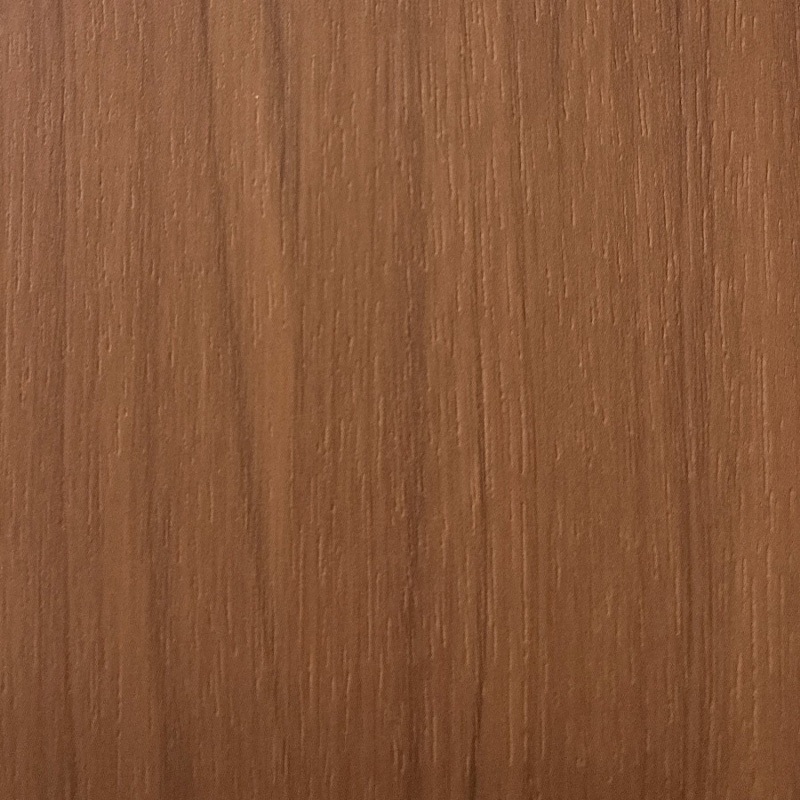
Warm walnut tones suit modern classic spaces and add visual warmth
Grey-washed grains suit contemporary interiors and coordinate with cool metals
Deep espresso or dark grains suit commercial and hospitality settings
Texture also matters. A realistic surface feel improves perceived quality because people touch furniture surfaces often. For renovation projects, matte or low-gloss finishes are frequently chosen because they hide minor substrate imperfections and reduce fingerprint visibility. Higher gloss can look premium but requires better substrate leveling and cleaner application to avoid showing defects.
For projects requiring consistency across multiple pieces, selecting a stable film supplier helps maintain pattern and tone repeatability across batches. If you need to explore available grain tones and surface options, please browse our wood grain PET film page.
VIII. What to Expect After Installation and How to Maintain the Surface
After renovation, a wood grain PET film surface should be treated as a finished decorative layer. Routine care is usually simple, but cleaning habits affect appearance over time. Using soft cloth cleaning and avoiding abrasive pads helps preserve surface texture. For kitchen applications, wiping spills quickly is important not only for surface cleanliness but also for edge protection, because prolonged moisture contact at edges can challenge any laminated system.
Heat exposure should also be managed. Placing very hot cookware directly on the surface can stress a decorative layer, especially on thin panel furniture. Using heat mats and coasters is a practical habit that extends surface life.
If the renovated furniture is in a high-traffic commercial environment, consider additional protection strategies such as selecting more abrasion-resistant textures and implementing edge protection design. These choices help maintain appearance in spaces where surfaces are cleaned frequently and furniture is used continuously.
Conclusion
Wood grain PET film can cover old furniture effectively when the furniture structure is stable and the renovation process focuses on preparation, edge detailing, and correct application methods. It is especially suitable for panel-based furniture such as cabinet doors, wardrobes, and flat furniture surfaces where a consistent wood-look finish is desired without the disruption of repainting. The most common failures, such as edge lifting and visible surface defects, can be reduced by repairing damaged edges, leveling the substrate, removing wax and oil residues, and selecting the right film and adhesive combination.
If you need to learn more about product specifications, wood grain options, and application recommendations, please browse our wood grain PET film page.